Toyota RAV4
The History of the Toyota RAV4: The Pioneer of Modern SUVs
The Toyota RAV4 is a true success story in the automotive industry. Launched in 1994, it redefined the SUV segment by introducing an unprecedented concept: a versatile vehicle combining the capabilities of an off-roader with the comfort of a compact car. Let’s take a look back at the history of this revolutionary model that has crossed decades to become one of the best-selling SUVs in the world.
The Origins: An Innovative Concept (1994-2000)
At the beginning of the 1990s, Toyota noticed a growing need for a vehicle that combined the robustness of traditional 4x4s with the maneuverability and practicality of a standard car. The RAV4, which stands for “Recreational Activity Vehicle: 4-wheel drive,” was born in 1994, marking the birth of a new segment: the compact SUV.
The first generation of the RAV4 is based on a unibody platform, an innovation at the time, which gives it handling characteristics similar to a sedan, while retaining off-road capabilities thanks to its permanent all-wheel drive. Its bold design and compact dimensions quickly appeal to city dwellers in search of versatility.
Available in 3-door and 5-door versions, the RAV4 offers a reliable and high-performing 2.0L gasoline engine. From its inception, it experienced remarkable success, particularly in Japanese, European, and North American markets.
The Rise in Power (2000-2005)
The second generation of the RAV4, introduced in 2000, gains maturity. Toyota enhances comfort, interior space, and finish quality to meet the expectations of families. The design becomes more refined while maintaining a robust character.
This generation sees the introduction of new engines, including diesel engines for the European market, as well as 2WD (front-wheel drive) versions, making the RAV4 more accessible. The SUV positions itself as a versatile model, comfortable both in the city and on more demanding roads.
The Global Expansion (2005-2012)
With the third generation, Toyota expands the dimensions of the RAV4, positioning it more as a family SUV. This model adopts a more imposing design and features many technological advancements, such as active safety systems (VSC, side airbags) and an optimized interior space thanks to a sliding rear bench.
It is also during this time that Toyota introduces market-specific versions: a long RAV4 for the United States and a more compact model for Europe and Asia. This strategy enhances the popularity of the RAV4 on a global scale.
The Hybrid Revolution (2013-2018)
The fourth generation, unveiled in 2013, marks a turning point in the RAV4’s history with the introduction, in 2016, of a hybrid version. Toyota is responding to the growing demand for more environmentally friendly vehicles. Equipped with a gasoline-electric powertrain, the RAV4 hybrid combines performance, low consumption, and compliance with environmental standards.
The design of this generation becomes bolder, with angular lines and an aggressive grille. Inside, Toyota focuses on comfort, space, and connectivity, making the RAV4 an ideal choice for modern families.
The Dominance of the Segment (2019 – Present)
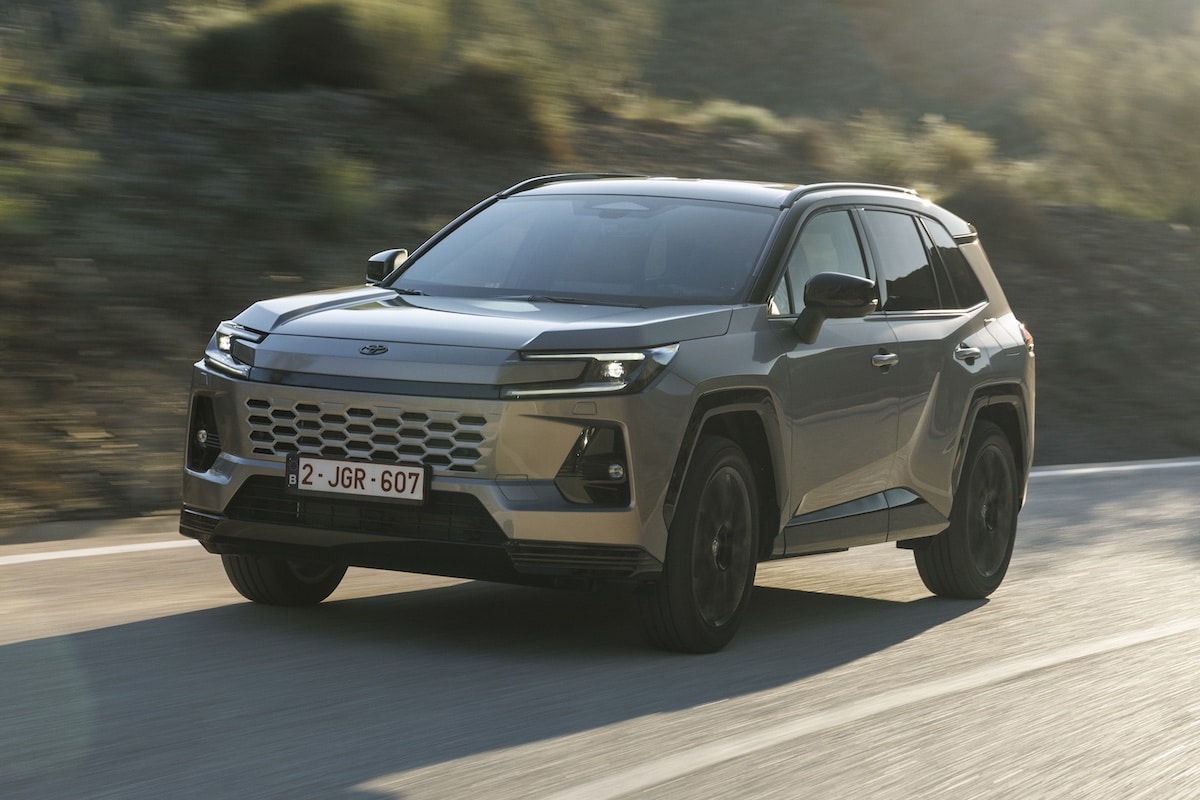
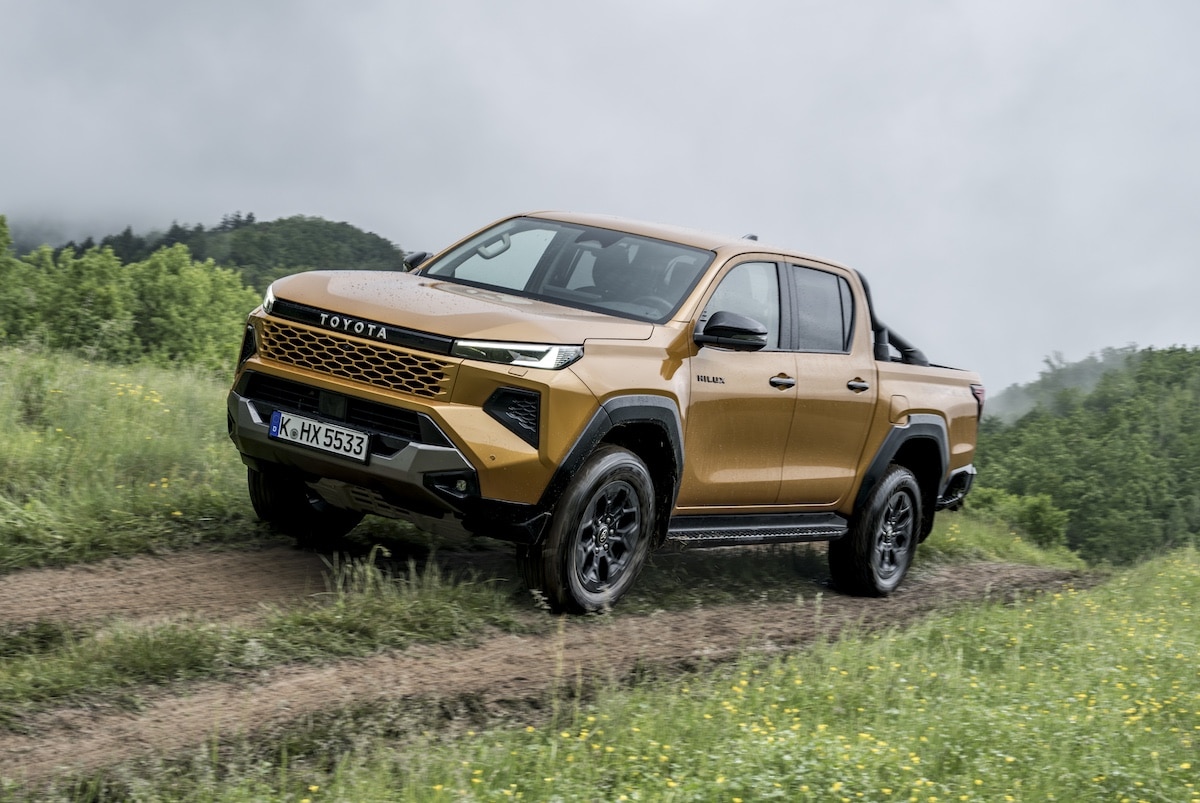
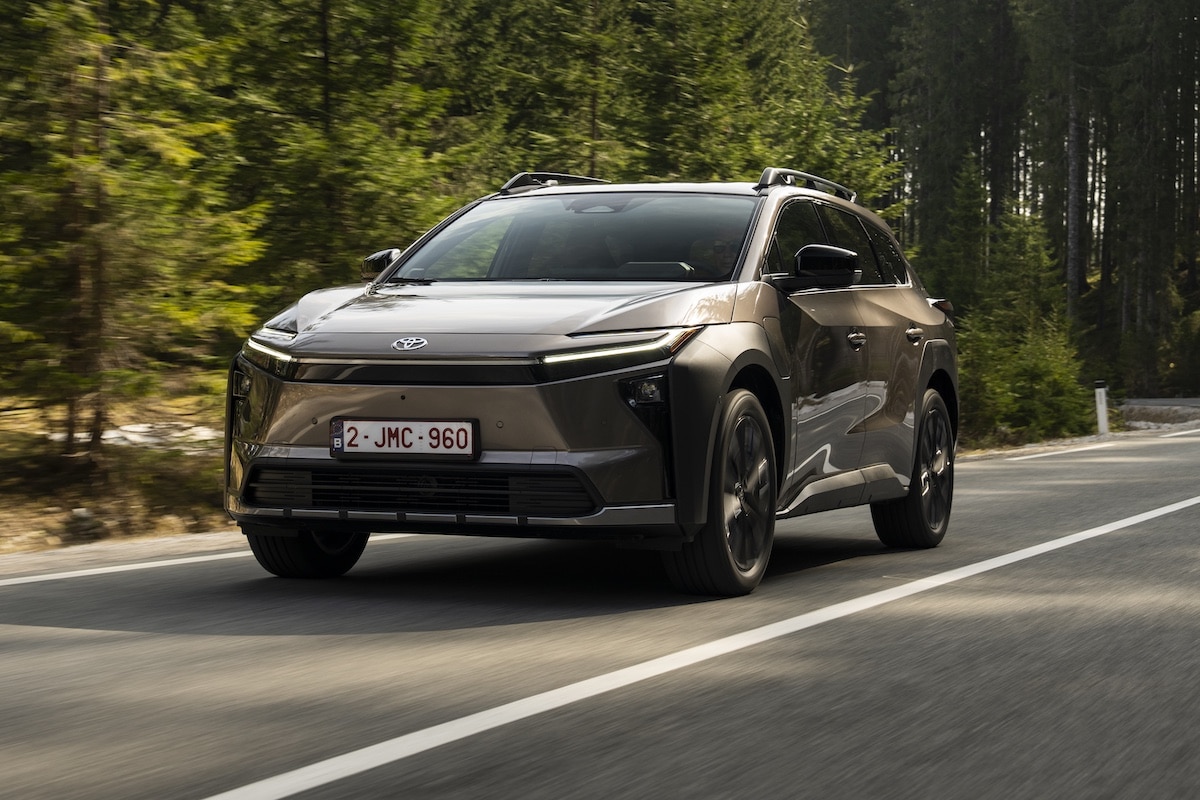
In 2019, Toyota introduced the fifth generation of the RAV4, built on the TNGA (Toyota New Global Architecture) platform. This model adopts a more assertive design, inspired by off-road pickups like the Tacoma, with muscular lines and a robust character.
This generation is also marked by the arrival of the RAV4 plug-in hybrid (PHEV) in 2020, a model combining significant electric range and impressive performance. With its 18.1 kWh battery, the RAV4 PHEV can travel up to 75 km in 100% electric mode while offering a combined power of 306 horsepower.
The fifth generation RAV4 continues to dominate the compact SUV market thanks to its energy efficiency, versatility, and value for money. It is particularly appreciated in North America, Europe, and Asia, where it ranks among the best-selling models.
The Toyota RAV4 Today: A Global Reference
With over 10 million units sold since its launch, the Toyota RAV4 has become an essential reference in the automotive industry. It has paved the way for many other compact SUVs while maintaining its leadership through its innovative spirit.
The success of the RAV4 is based on several strengths:
Versatility: a perfect balance between urban driving and off-road capabilities.
Reliability: a reputation for robustness and durability.
Hybrid Technologies: Toyota has anticipated the ecological transition by offering very high-performance electrified versions.
Design: a modern and bold look that appeals to a wide audience.
By combining tradition and innovation, the RAV4 embodies Toyota’s vision for a future where mobility aligns with sustainability and driving pleasure.