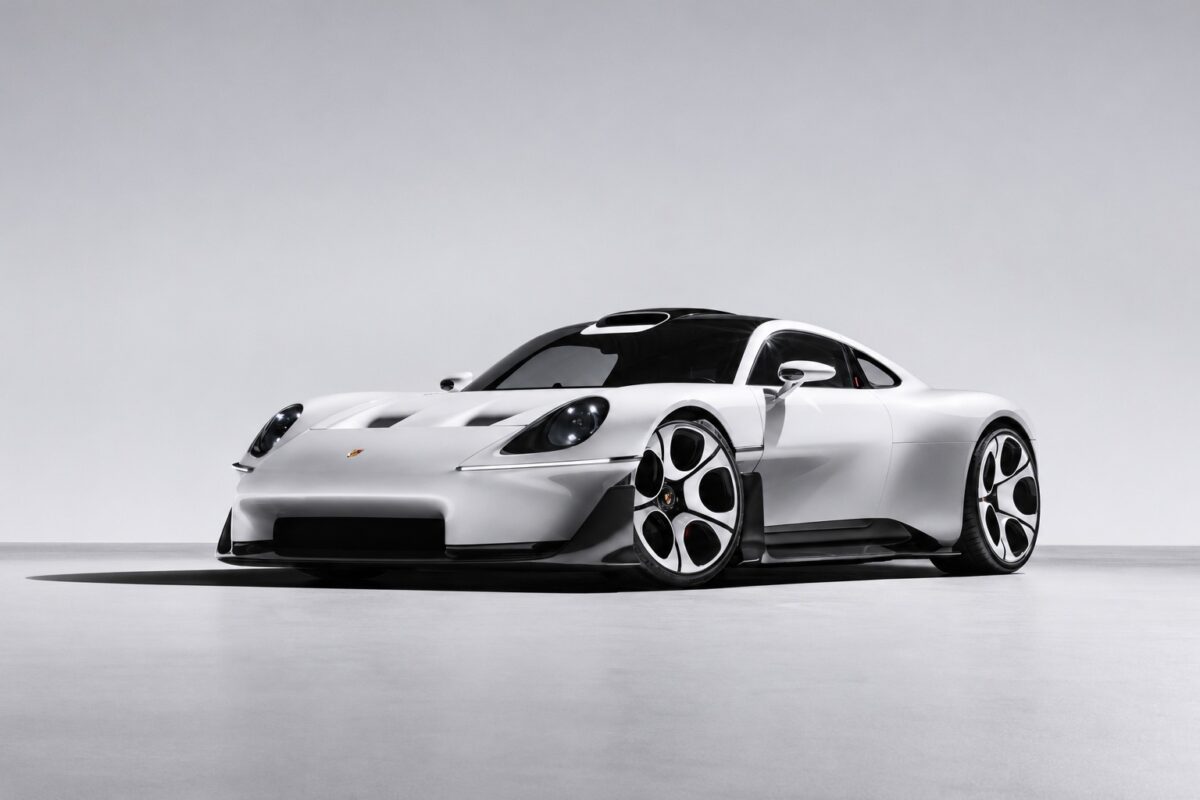
How does the Tesla Roadster fly?

- Published on 17/10/2026 7:07
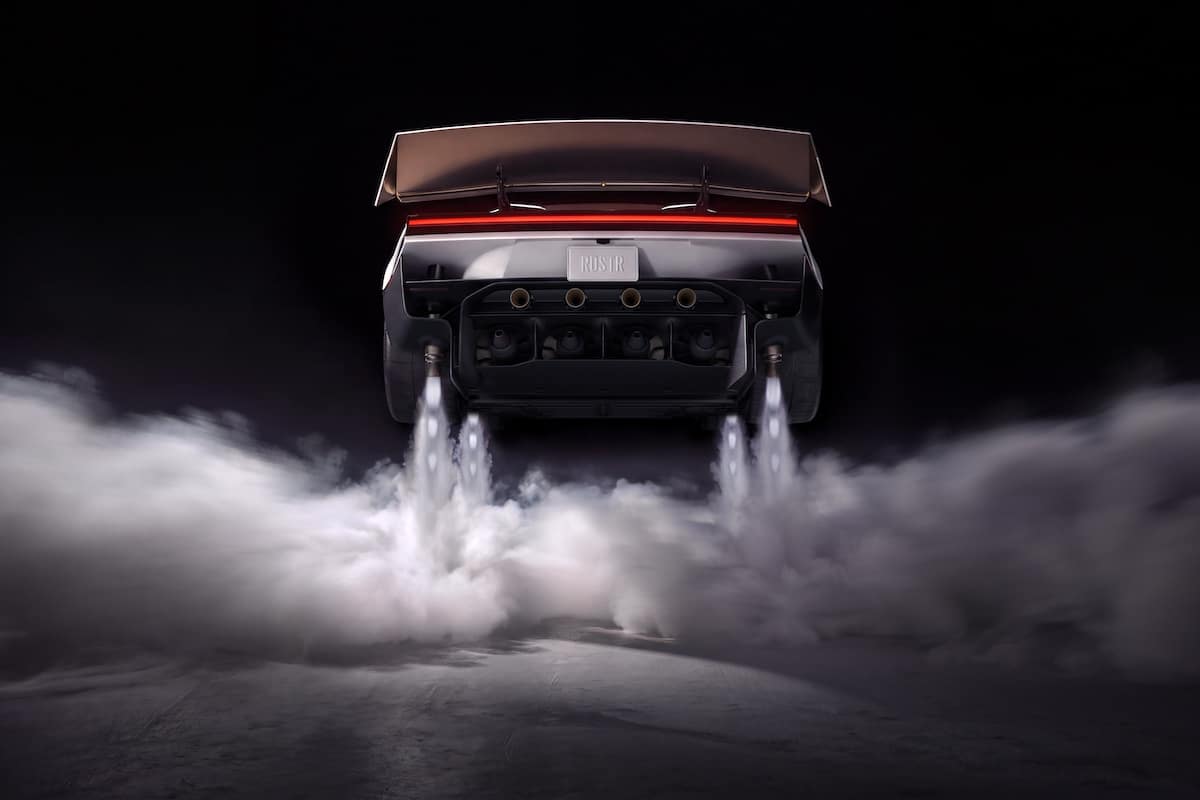
More than 80 kN of thrust, ten nozzles, and about 250 kg of compressed air: the Tesla Roadster features a genuine cold gas propulsion system. However, its suction system plays a very different role.
To understand the acrobatics of the Tesla Roadster, it is essential to distinguish between two technologies: the fans that press it against the track and the thrusters that allow it to leave the ground. The entire setup combines active aerodynamics, high-pressure storage, and electronic movement control.
Suction to Hold Upside Down
Underneath the floor, fans extract air while a peripheral sealing system limits infiltration. The vacuum thus created presses the car against the surface. Unlike a wing, this system generates downforce even when stationary. Tesla claims it is sufficient to keep the Roadster upside down.
The efficiency depends notably on proximity to the ground and control of air leaks. The “vacuum” thus serves to increase grip and follow the inverted ramp. It does not constitute the lift mechanism for flight.
Compressed Air to Take Off
The presented system includes two reinforced tanks wrapped in carbon fiber, with a total capacity claimed to be 600 liters, containing about 250 kg of air and feeding ten nozzles. Note: this mass only concerns the onboard air. The total weight of the Roadster is not specified in the available data.
The announced thrust exceeds 80 kN, which is about 8.2 tons-force. However, this figure should not be equated to a fully available vertical thrust: it depends on the orientation and use of the various thrusters.
When the valves open, the gas expands in the nozzles and is ejected at high speed. By reaction, the car receives an opposing thrust. No combustion occurs: the energy comes from the previously compressed gas. The rear jets serve to accelerate; those directed downward allow the vehicle to lift and slow down its descent.
Permanent Stabilization
The difficulty lies in controlling roll, pitch, and yaw. An off-center thrust causes rotation: it is necessary to coordinate the jets to initiate a maneuver, interrupt it, and prepare for landing. Tesla announces corrections made in a fraction of a second by electric actuators.
The limitation remains the gas reserve. A strong thrust consumes it quickly, and the expansion cools the system. Tesla indicates that the car can replenish its air reserve without specifying the required time or available flight duration. Taking off is spectacular; maintaining sufficient thrust to land remains the crucial challenge.
ALSO READ: Tesla Roadster: It Flies, but Its Promises are Shrinking!
You might be interestedin this article:
This page is translated from the original post "Comment fait le Tesla Roadster pour voler ?" in French.
We also suggestthese articles:
Also read

Recent articles