The Navigo Pass Even More Expensive in 2026!

- Published on 16/12/2025 16:28

Starting January 1, 2026, the Navigo pass will increase to €90.80 per month, representing a €2 increase.
A new increase in the monthly Navigo pass that may raise questions, in a context of strained purchasing power. However, in reality, 9 out of 10 residents of Île-de-France will continue to pay €45.40 per month or less thanks to reimbursement schemes and reduced rates. Here’s a breakdown.
A dense network but costly
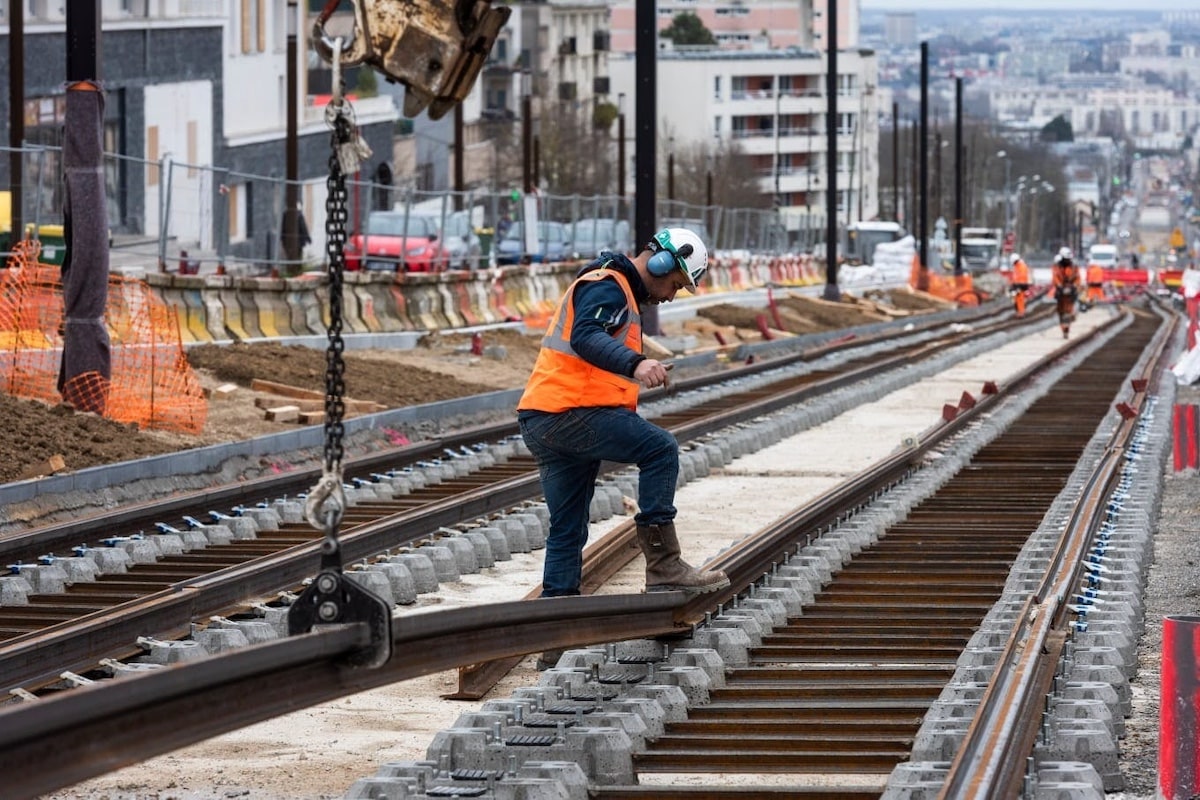
Since 2016, public transport in Île-de-France has seen massive investments. The creation and extension of metro, RER, and tram lines, the arrival of thousands of new trains and metros, the transition to clean buses, and enhanced security are all part of a comprehensive evolution of the network to accommodate traffic growth and improve service quality.
Additionally, there are upcoming major projects, such as metro Line 18 connecting Orly to Versailles-Chantiers, the first cable car in Île-de-France, and new high-service bus lines. These infrastructures are costly to build but also to operate on a daily basis.
Inflation, an unavoidable factor
The operation of the network is directly impacted by inflation: energy, maintenance, payroll, and security costs. To contain the increase, Île-de-France Mobilités signed an agreement with the State limiting fare increases to inflation + 1% per year until 2031. This compromise aims to preserve financial balance without putting the burden solely on users.
The real cost of the Navigo Pass
Few know this, but the actual cost of the Navigo Pass amounts to €280.07 per month. Travelers only pay 32%, which is €90.80. The rest is funded by companies through the mobility payment, by local authorities, and by additional revenue such as advertising.
Get help!
For employees, the mandatory employer coverage of 50% reduces the cost to a maximum of €45.40 per month, and sometimes less depending on internal agreements. At this rate, travel is unlimited across all modes within the entire Île-de-France region.
Nonetheless, this new increase serves as a reminder of a less flattering reality: despite a largely subsidized network that is more affordable than in many major international metropolises, Île-de-France is still far from the aspirations for free public transport that are regularly discussed in public debate. Given the continuous rise in costs and the colossal investment needs, free transport currently seems more like a political ideal than a financially realistic prospect.
ALSO READ: The Navigo Liberté+ Pass is coming to smartphones
This page is translated from the original post "Le Passe Navigo encore plus cher en 2026 !" in French.
We also suggestthese articles:
Also read
Recent articles