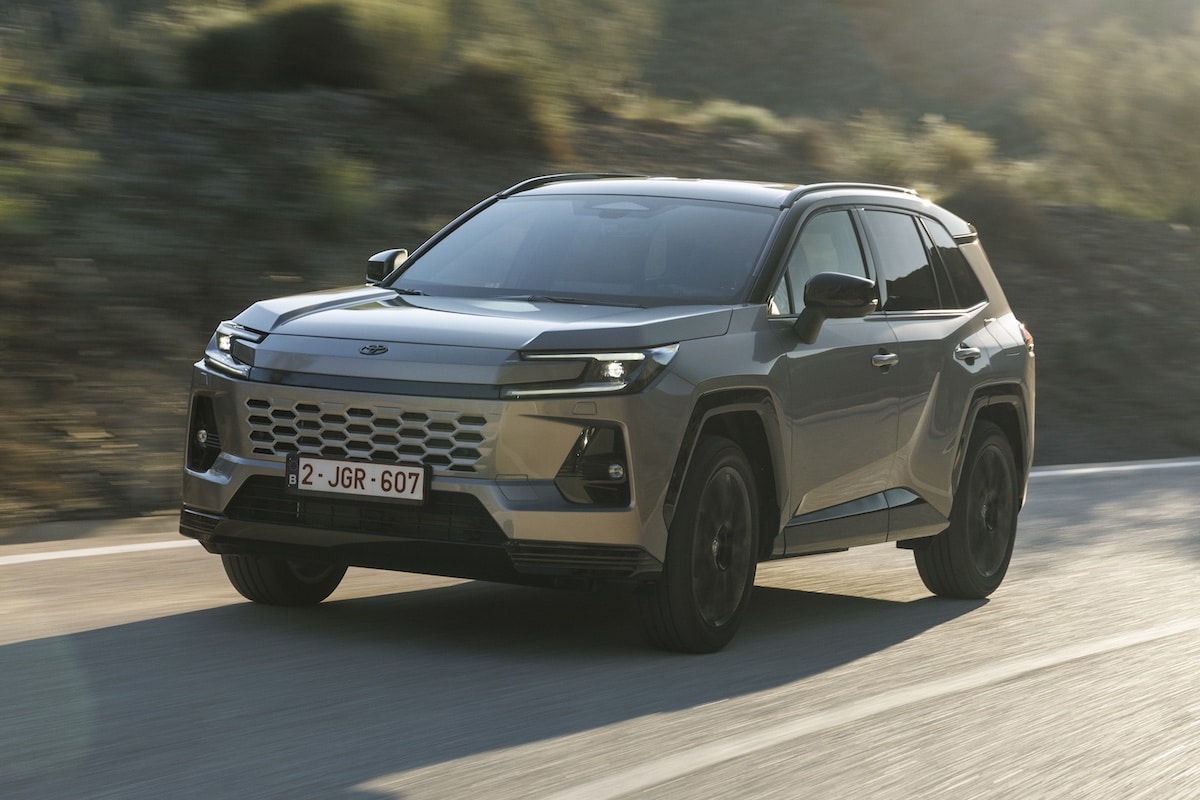
Toyota Yaris
The Story of the Toyota Yaris: the Iconic Compact Car
Since its launch in 1999, the Toyota Yaris has established itself as a reference city car, blending innovation, reliability, and adaptability. Let’s revisit the history of this model that has conquered the world and become a staple of the Toyota lineup.
The Beginnings: A Revolution in the City Car (1999-2005)
The first generation of the Yaris, unveiled in 1999, replaces the well-established Toyota Starlet. The name “Yaris” derives from the Greek word “Charis,” meaning grace and elegance. Upon its release, the Yaris captivated with its modern and compact design, crafted by Japanese designer Sotiris Kovos. This model also stands out for its spacious interior, innovative for its category, and its central digital dashboard, a first at the time.
The first Yaris is equipped with economical and reliable gasoline engines, along with a diesel version intended for the European market. It wins several awards, including the title of European Car of the Year 2000, thanks to its perfect balance between practicality and style.
The Evolution and the Arrival of Sportiness (2005-2011)
The second generation of the Yaris, introduced in 2005, grows slightly to meet the needs of urban families. With enhanced safety, including additional airbags and an optimized structure, it maintains its leadership in the city car segment. This generation also sees the emergence of sportier versions, such as the Yaris TS, equipped with a 1.8L engine producing 132 horsepower, appealing to fans of dynamic small cars.
Electrification on the Horizon (2011-2020)
The third generation marks a decisive turning point in the Yaris’s history, with the introduction of hybrid powertrains in 2012. Toyota leverages its hybrid expertise, already proven with the Prius, to offer an ecological and economical solution suited to urban needs. The hybrid Yaris quickly becomes a bestseller in Europe, attracting customers eager to reduce their carbon footprint without sacrificing practicality.
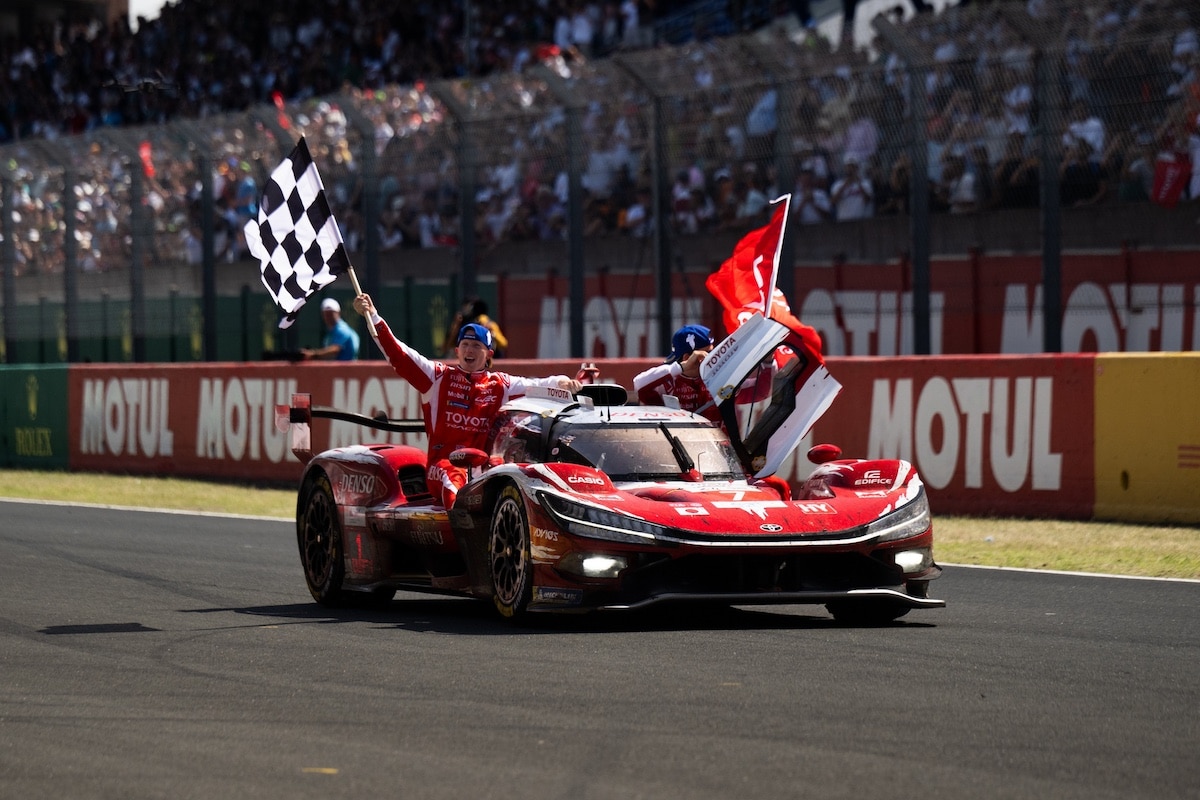
During this period, Toyota intensifies its commitment to motorsport. In 2017, the Yaris WRC makes its debut in the World Rally Championship (WRC), driven notably by Sébastien Ogier. This racing model reinforces the sporty potential of the Yaris while enhancing the brand’s image.
The Modern Era and Innovation (2020 – Present)
In 2020, Toyota unveils the fourth generation of the Yaris, built on the TNGA (Toyota New Global Architecture) platform. Lower, wider, and more dynamic, this version features a bold design and advanced technologies, such as a connected touchscreen and modern driving aids. The hybrid powertrain is further improved to offer more power and better energy efficiency.
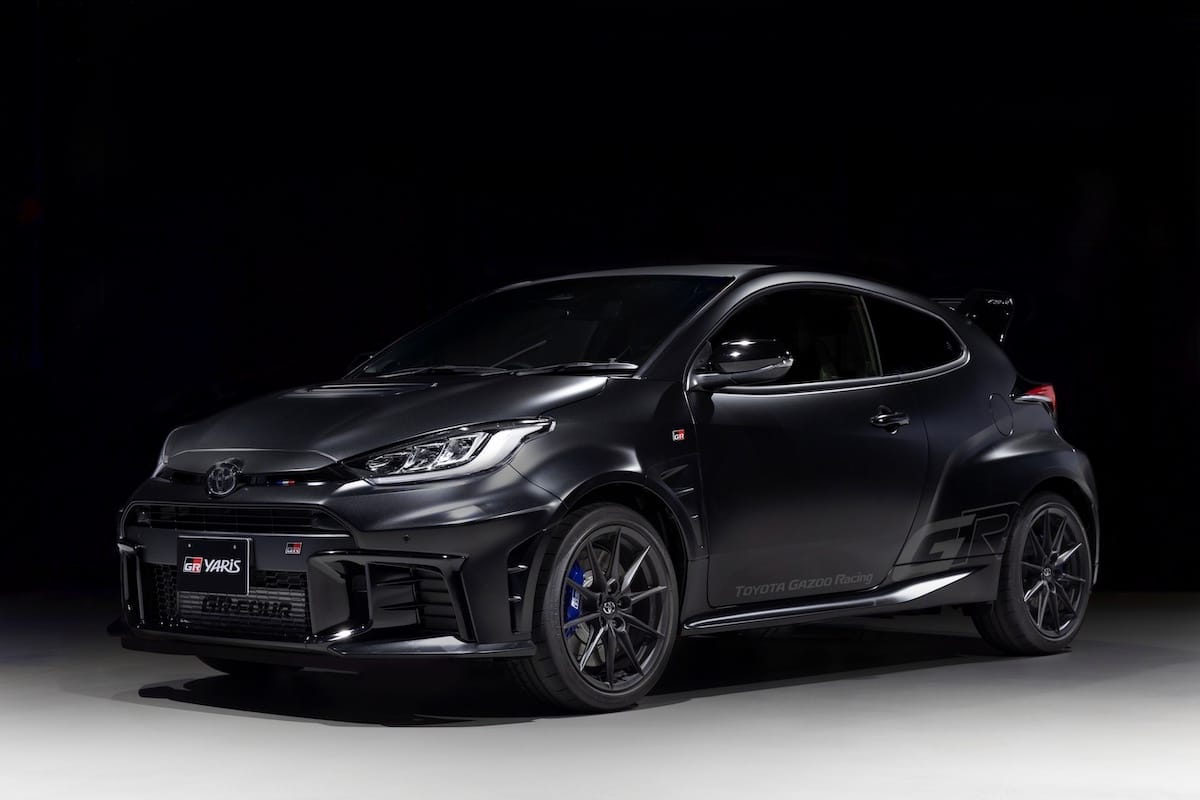
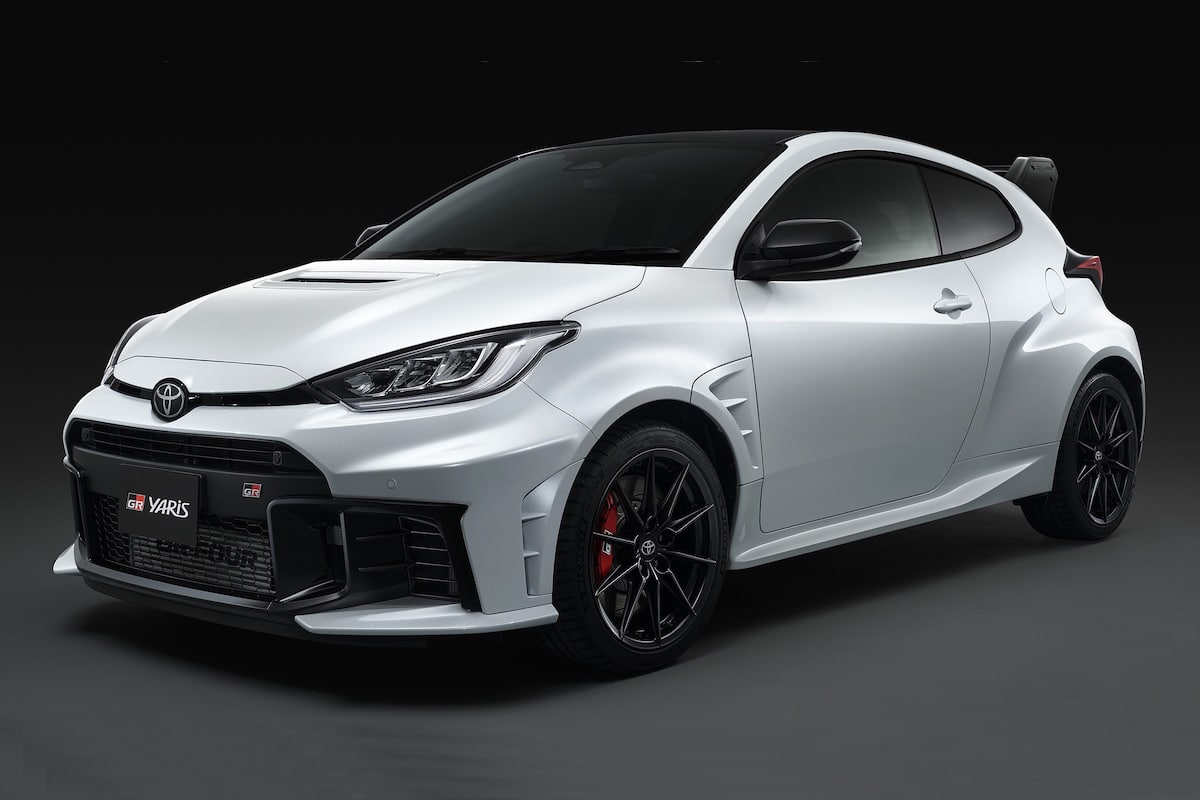
The lineup is enriched with the Toyota GR Yaris, a true sports powerhouse inspired directly by WRC competition. Equipped with a 1.6L turbo engine generating 261 horsepower and all-wheel drive, it is praised by automotive enthusiasts for its agility and performance.
A Global Success
For over two decades, the Toyota Yaris has sold millions of units worldwide. It is now produced in several factories, including one in France, in Valenciennes, where it plays a crucial role in Toyota’s success in the European market.
With a unique combination of efficiency, durability, and innovation, the Yaris continues to evolve to meet the challenges of tomorrow. It perfectly illustrates Toyota’s ability to anticipate consumer needs while staying true to its core values.
Why Does the Yaris Remain an Icon?
Versatility: a compact size for the city, yet spacious enough to accommodate a small family.
Ecology: a pioneer of hybrid powertrains in its category.
Reliability: an unmatched reputation for robustness and longevity.
Sportiness: versions like the GR Yaris prove that a city car can be exciting to drive.
Thus, the Yaris remains much more than just a city car. It is a symbol of the evolution of the automobile, blending innovation with environmental respect, while offering attractive performance and style for all.