Toyota Prius
The Story of the Toyota Prius: Pioneer of Automotive Electrification
The Beginnings: A Forward-Thinking Vision (1993-1997)
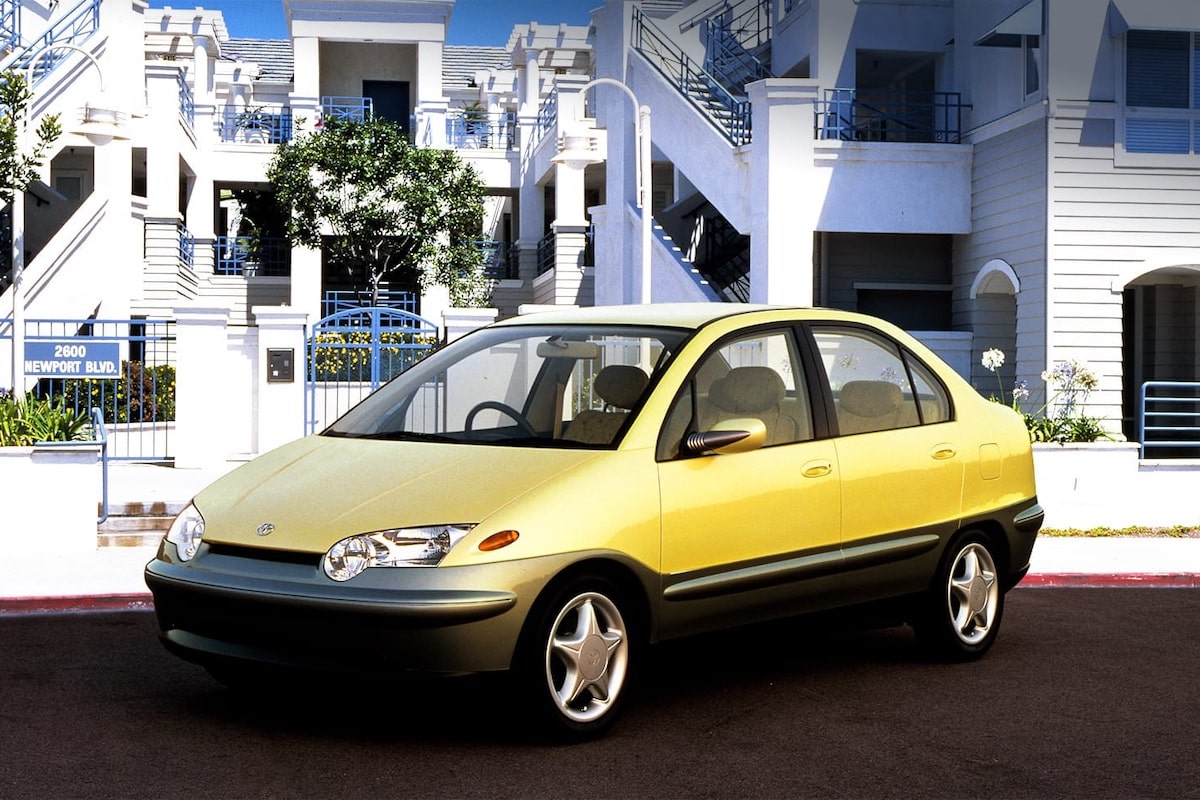
In 1993, Toyota decided to address emerging problems related to pollution and dependence on oil. As part of its G21 project, the Japanese company aimed to develop an eco-friendly and economical car for the 21st century. The goal was ambitious: to reduce emissions and fuel consumption without sacrificing performance.
After several years of research and development, the first Prius was born in 1997. Launched exclusively in Japan, it was the first hybrid model produced in series. The name “Prius,” which means “before” in Latin, reflects Toyota’s desire to precede trends in the automotive industry.
A Gradual Global Adoption (2000-2009)
In 2000, Toyota launched the second generation of the Prius in international markets, including Europe and North America. This model adopted a sleeker design and improved hybrid technology. The success was immediate due to its energy efficiency and reduced CO2 emissions.
During this period, the Prius became a symbol of environmental commitment, particularly among celebrities and environmental activists. In 2003, the third generation debuted, integrating the more efficient Hybrid Synergy Drive (HSD) system. This system reinforced the Prius’s reputation as a global benchmark for hybrids.
The Golden Age and Diversification (2010-2020)
With the fourth generation launched in 2010, the Prius expanded its lineup. Toyota introduced complementary versions, such as the Prius Plug-in Hybrid (rechargeable) and the Prius c, a more compact city car. This strategy aimed to reach a broader audience while adapting to increasingly strict environmental regulations.
Despite the rise of 100% electric vehicles, the Prius continued to stand out due to its efficiency and reliability. It became an ideal choice for consumers still hesitant to switch to pure electric.
The Prius Today: An Icon in Transition (2021 and Beyond)
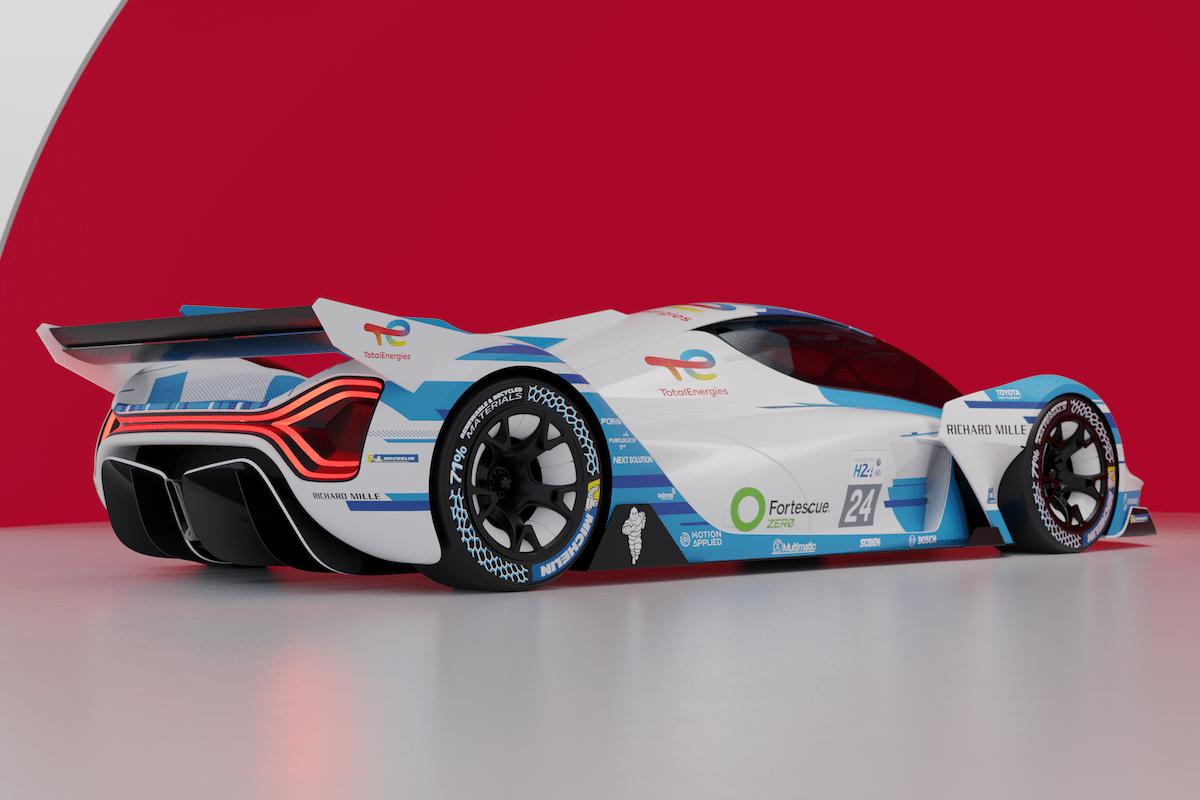
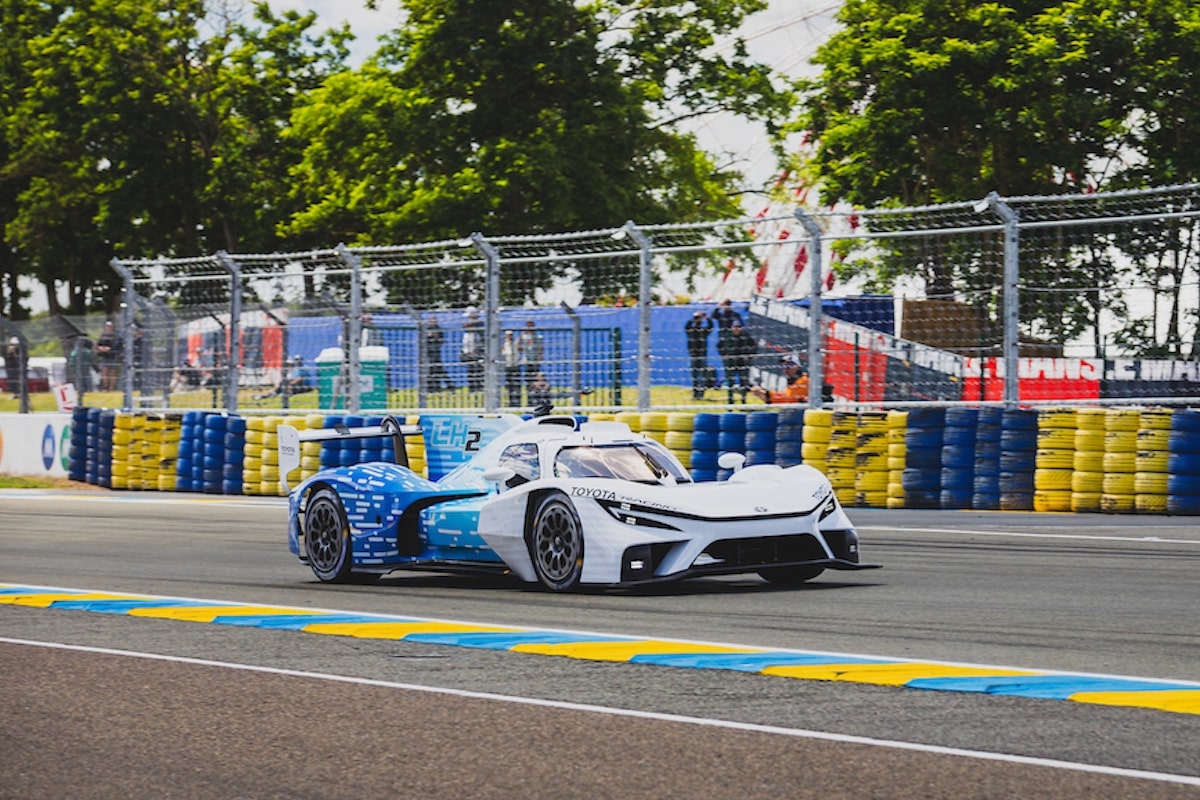
In the face of the emergence of electric vehicles (EVs) and increasing competition, Toyota has adapted its strategy. The Prius remains a cornerstone of the brand’s hybrid lineup, but its role is evolving. Toyota is focusing its efforts on EVs and hydrogen while continuing to improve the performance of its hybrids.
In 2022, Toyota introduced a new version of the Prius with a bold design and even more advanced technologies, such as increased electric range for the rechargeable versions. It remains a symbol of Toyota’s commitment to innovation and sustainability.
Conclusion
Since its launch in 1997, the Toyota Prius has played a crucial role in the transition to more eco-friendly transportation. As the first mass-marketed hybrid, it redefined industry standards and paved the way for new technologies. Today, although it is no longer alone in the eco-friendly vehicle market, the Prius remains an icon and a source of inspiration for the future of sustainable mobility.