Diesel over €2: Is the electric car really cheaper?

- Published on 14/11/2026 18:06
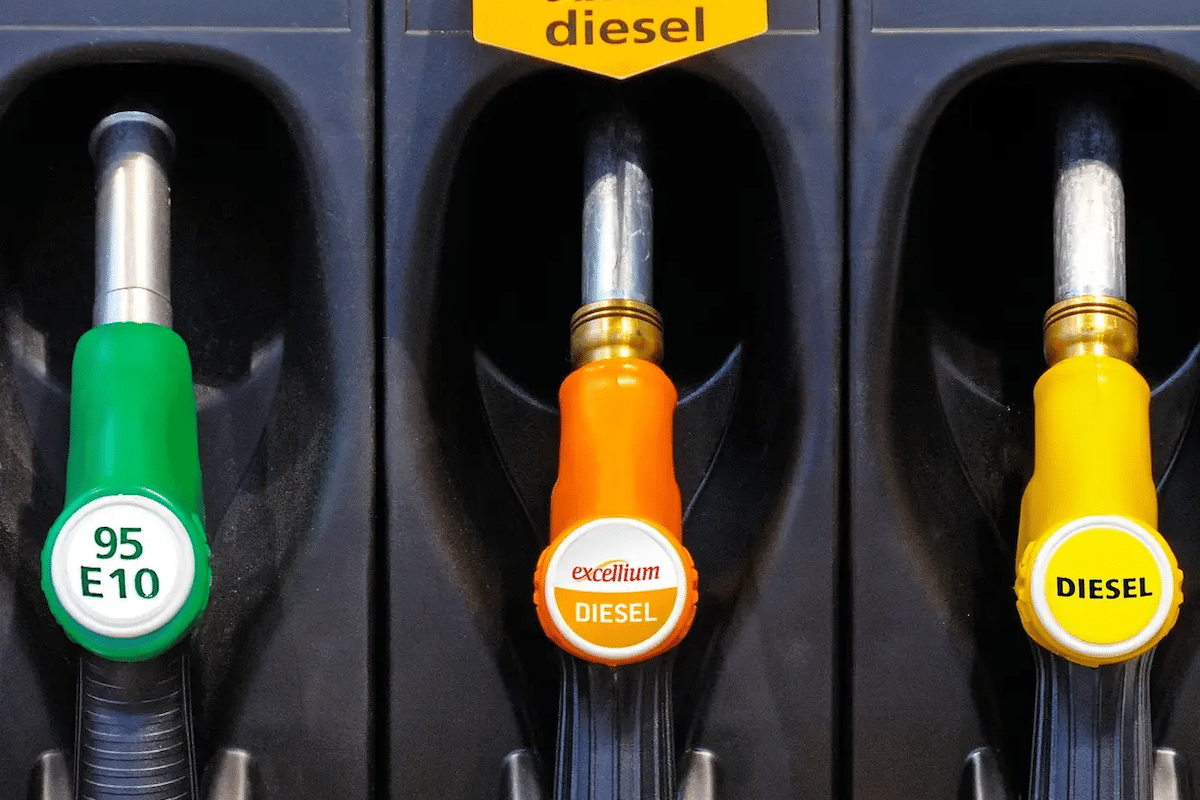
With diesel at an average of €2.165/liter, electric cars seem to have solid arguments for easing motorists’ budgets.
According to data from our partner Roole, the leading automotive club in France, the average price of diesel is €2.165/liter this Saturday, November 14, 2026, compared to €2.005/liter for SP95-E10. Despite a slight decrease in pump prices, the fuel budget remains significant.
In these conditions, does switching to an electric car necessarily mean spending less? To find out, let’s compare the cost of the energy required to cover 100 km.
Petrol, diesel, electric: how much does it cost for 100 km?
Let’s take three consumption hypotheses: 6.5 l/100 km for a petrol car, 5.5 l/100 km for a diesel, and 18 kWh/100 km for an electric vehicle, including charging losses.
With fuel prices as reported by Roole and various electricity rates, here are the results:
| Engine type and price hypothesis | Energy cost for 100 km |
| Petrol at €2.005/liter | €13.03 |
| Diesel at €2.165/liter | €11.91 |
| Electric at €0.20/kWh | €3.60 |
| Electric at €0.40/kWh | €7.20 |
| Electric at €0.60/kWh | €10.80 |
| Electric at €0.70/kWh | €12.60 |
The consumptions and electricity prices are hypotheses for calculation, not results from a comparative test nor a pricing grid of charging networks. Actual consumption depends notably on the model, speed, and temperature.
At home, charging widens the gap
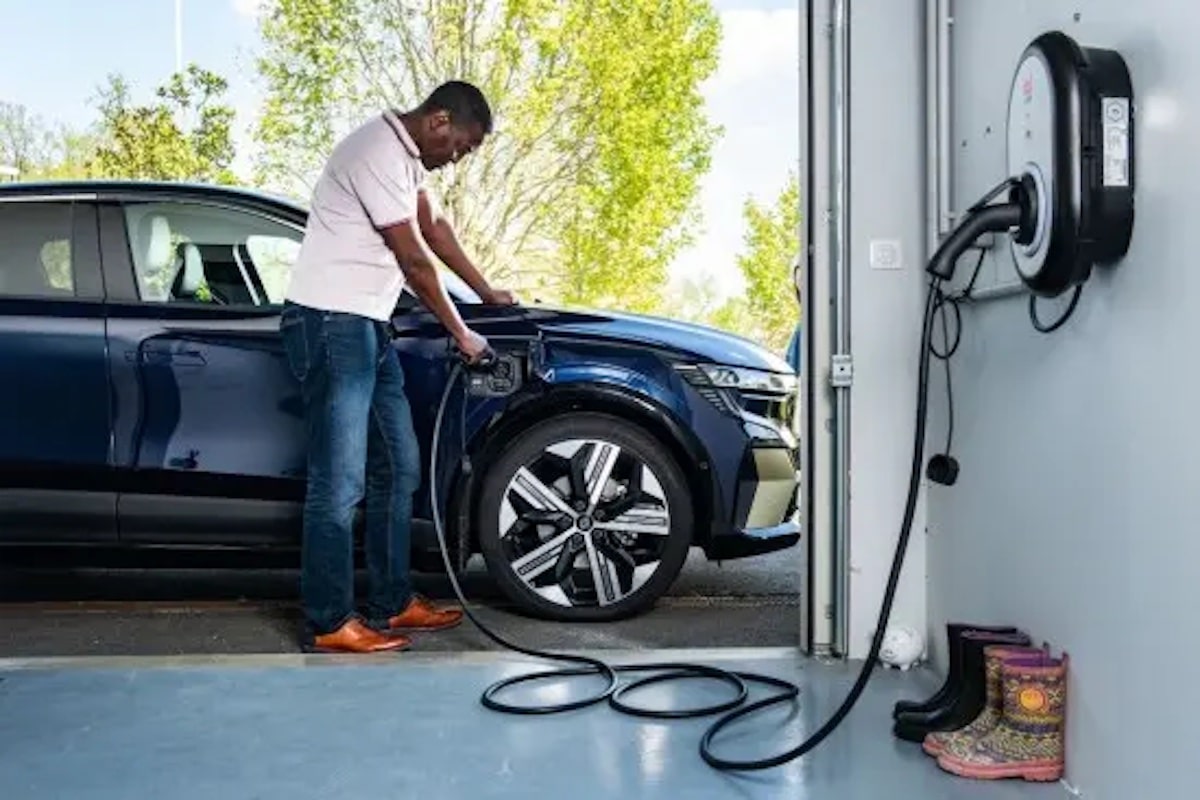
With electricity charged at €0.20/kWh, traveling 100 km costs here €3.60. The savings reach €8.31 compared to diesel and €9.43 compared to petrol.
Over 15,000 km, keeping these same assumptions and this rate for all charges represents about €1,247 saved compared to diesel and €1,415 compared to petrol, solely on energy costs.
The rate of your electricity contract and the ability to charge at home are therefore two essential elements of the calculation before a purchase.
At fast chargers, the advantage may disappear
When the price of a kilowatt-hour rises, the gap narrows. At €0.60/kWh, our electric car is still slightly cheaper to run than the two selected petrol cars. At €0.70/kWh, it surpasses diesel: €12.60 compared to €11.91 for 100 km.
With these consumption rates, the breakeven point is around €0.66/kWh compared to diesel and €0.72/kWh compared to petrol. Beyond that, the electric vehicle loses its advantage based solely on energy cost.
These thresholds evolve with consumption: an electric vehicle that requires more kilowatt-hours to cover the same distance reaches the breakeven point more quickly.
The charging rate is as important as consumption
For drivers who primarily use public charging stations, comparing prices is essential. A subscription can lower the cost of a kilowatt-hour, but its monthly fee must be distributed over the charges made. Any parking or session fees can also affect the bill.
The electric car can therefore significantly reduce energy expenses, provided it is charged at the right price. To determine if the purchase will be profitable, the price of the vehicle, insurance, maintenance, and depreciation must also be included. The key question to ask before signing is very concrete: where will I charge most often, and how much will it cost me?
ALSO READ: Roole Map: the free app that enriches the vacation route
You might be interestedin this article:
This page is translated from the original post "Diesel à plus de 2 € : la voiture électrique coûte-t-elle vraiment moins cher ?" in French.
We also suggestthese articles:
Also read
Recent articles