Holiday departures – What is your real range on the motorway?

- Published on 06/07/2024 13:48
- Modified on 25/09/2025 1:06
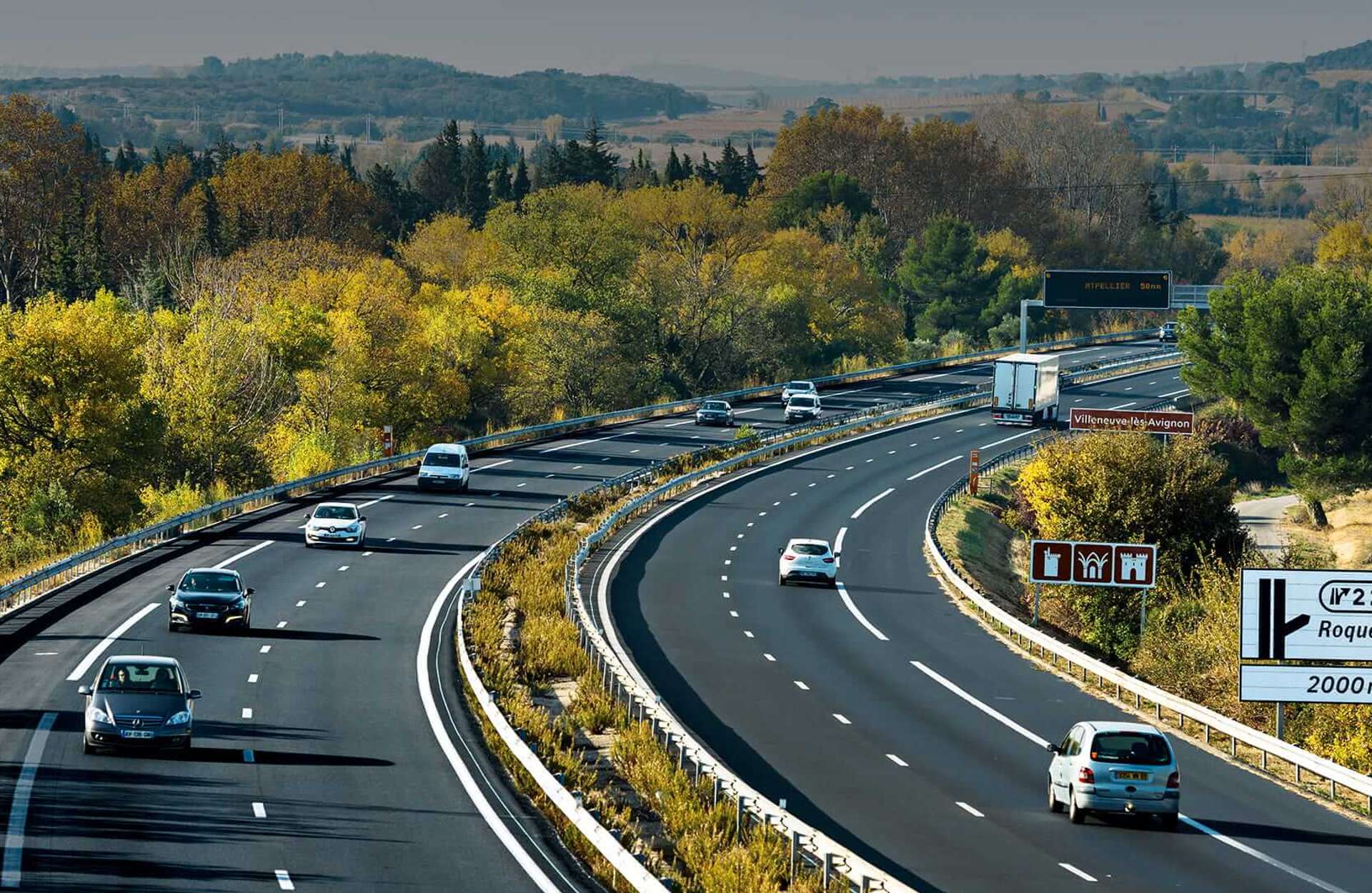
New electric car converts will have noticed that battery percentages drop dramatically on the highway. But why?
All cars, whether powered by batteries, a fuel tank, or a hybrid system combining both, are more economical at low speeds than at high speeds on the highway. Once this obvious point is made, is driving on the highway a worsening factor?
Conserving energy is primarily about having a light right foot. Heavy and erratic pressure on the accelerator pedal significantly increases electricity or fuel consumption. Therefore, there is no apparent overconsumption in electric vehicles, but perhaps we pay more attention to it because of the range monitoring tools. If gasoline cars were equipped with a fuel percentage indicator instead of the usual gauge, you would find that the result is more or less the same. While electric cars outperform gasoline vehicles in urban areas due to their superior efficiency, the rules of the game are more balanced on the highway.
A New Way to Drive
Recharging your battery takes longer than refueling, so unconsciously we tend to perceive the loss of range as more significant on the highway where speeds are higher over a longer duration. In summary, covering more distance faster leads to greater consumption. As often, the culprit is not the energy mode used but the human device located between the steering wheel and the accelerator pedal.
Once this observation is made, how can one reduce consumption? Driving on the highway, even at a constant speed, can indeed quickly impact the range of your electric car if not approached correctly.
The Highway is Not Your Enemy
It is largely a question of aerodynamics. The faster you drive, the more wind resistance or aerodynamic drag works against you. And this resistance does not increase exponentially with speed. At 150 km/h, it is not double what is generated at 75 km/h, but close to quadruple!
It is considered that at a constant 120 km/h, you are approaching the WLTP consumption figures provided by the manufacturer. At the legal speed of 130 km/h, you consume 15 to 20% more for a minimal time gain that is largely compensated by the time you will save at charging stations!
When you anticipate a slowdown, do not wait until the last second to brake hard. Apply a light, continuous pressure on the brake pedal for as long as possible to regenerate electricity. Below a certain threshold of demand, the brakes do not engage, so it’s all beneficial for you and your battery.
ALSO READ: Tesla Model Y: You Will Be Able to Unlock Range by Paying (Official)
This page is translated from the original post "Départs en vacances – Quelle est votre autonomie réelle sur autoroute ?" in French.
We also suggestthese articles:
Also read

Recent articles