Geely Should Have Dominated Europe by 2010. Why Wait?

- Published on 23/08/2026 16:35
- Modified on 24/08/2026 14:52
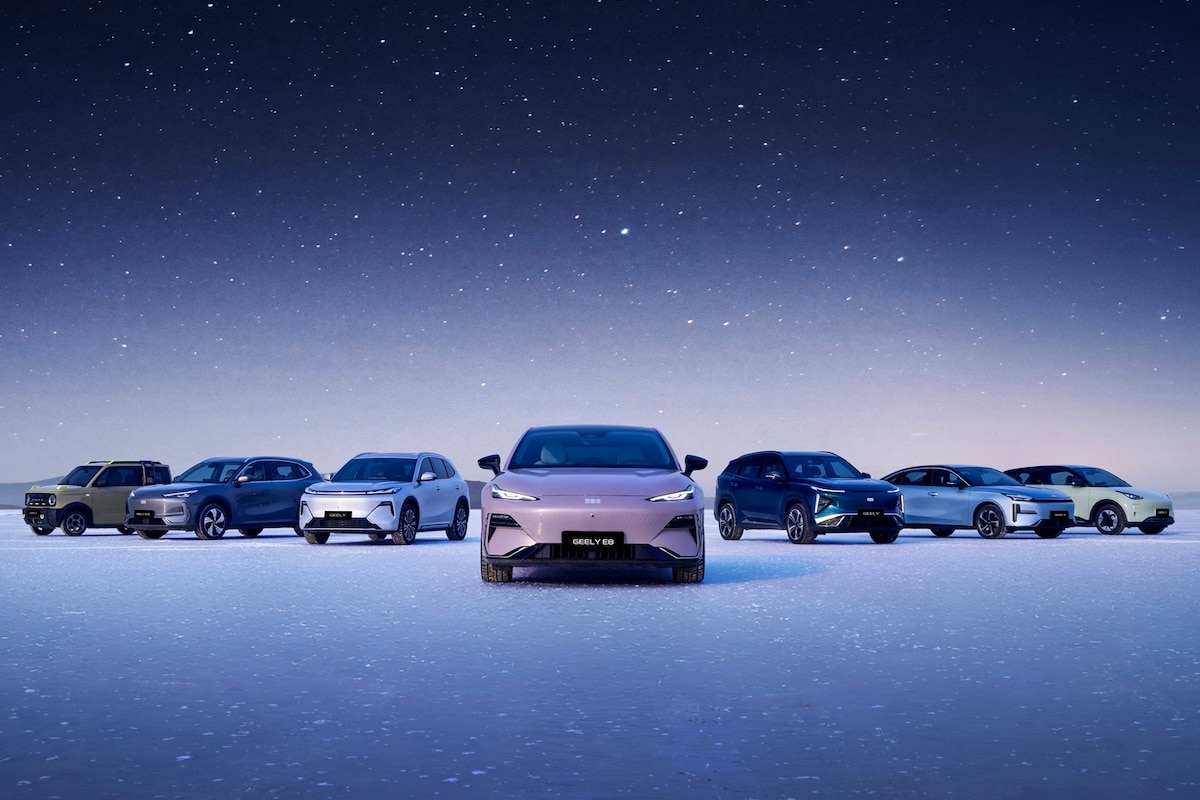
Long before BYD, Chery, or Xpeng, Geely already had a recognized brand, engineers, and factories in Europe thanks to the acquisition of Volvo.
In 2010, Geely pulled off a masterstroke. For $1.8 billion, the Chinese manufacturer acquired Volvo Cars from Ford. This was not the first Chinese takeover of a European car brand – Nanjing Automobile had acquired MG in 2005 before being absorbed by SAIC in 2007 – but this operation clearly changed the scale of such endeavors. MG was an empty shell, while Geely took over a global premium brand, its expertise, its engineers, and a real industrial presence in Europe. Sixteen years later, the Chinese automotive giant seems only to be beginning to fully leverage this incredible advantage.
On paper, the highway was open.
However, it was out of the question to simply think of importing low-cost Chinese cars to manufacture them in expensive European factories. Geely’s advantage lay elsewhere: having local engineering early on, common platforms, industrial tools, and knowledge of the European market that its Chinese competitors would take years to acquire.
The Volvo factory in Ghent perfectly symbolizes this opportunity. As early as 2018, Volvo announced that it would produce Lynk & Co there, notably benefiting from the economies of scale allowed by the common CMA platform.
But Geely chose a different strategy. Rather than immediately transforming this advantage into a massive commercial offensive, the group developed Volvo, launched Lynk & Co, Polestar, and then Zeekr, multiplying its positions. An ambitious strategy, but complex and ultimately quite distant from a conquest of the European market through volume.
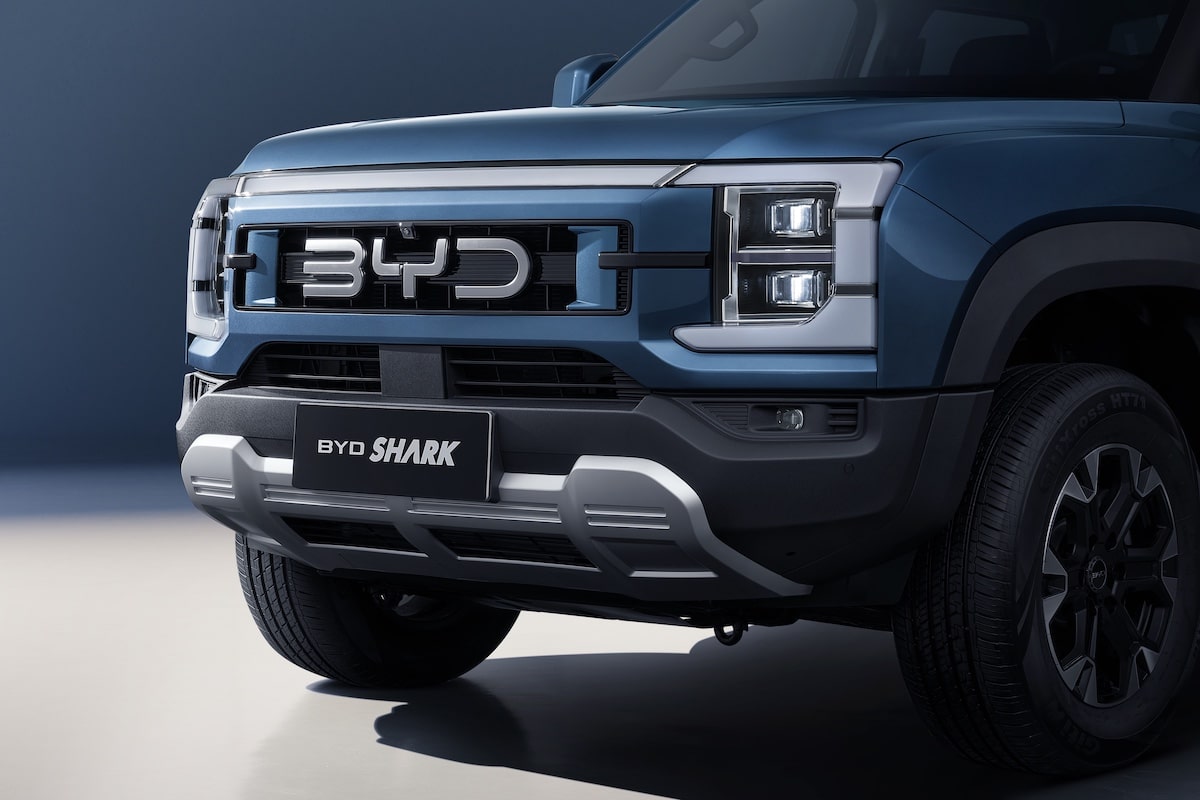
Meanwhile, BYD, Chery, and other Chinese manufacturers have accelerated.
Geely now seems determined to make up for lost time. Its project with Ford includes plans to produce Geely electric models in Valencia, Spain, starting in 2028.
You might be interestedin this article:
The paradox remains: Geely possessed most of the essential building blocks to conquer the European automotive market long before almost all its Chinese competitors. It may have simply lacked, for a long time, the will to assemble them.
This page is translated from the original post "Geely aurait dû dominer l’Europe dès 2010. Pourquoi avoir attendu ?" in French.
We also suggestthese articles:
Also read
Recent articles