
Cheaper electric cars with Volkswagen and EDF

- Published on 15/02/2026 9:10
- Modified on 15/02/2026 9:12
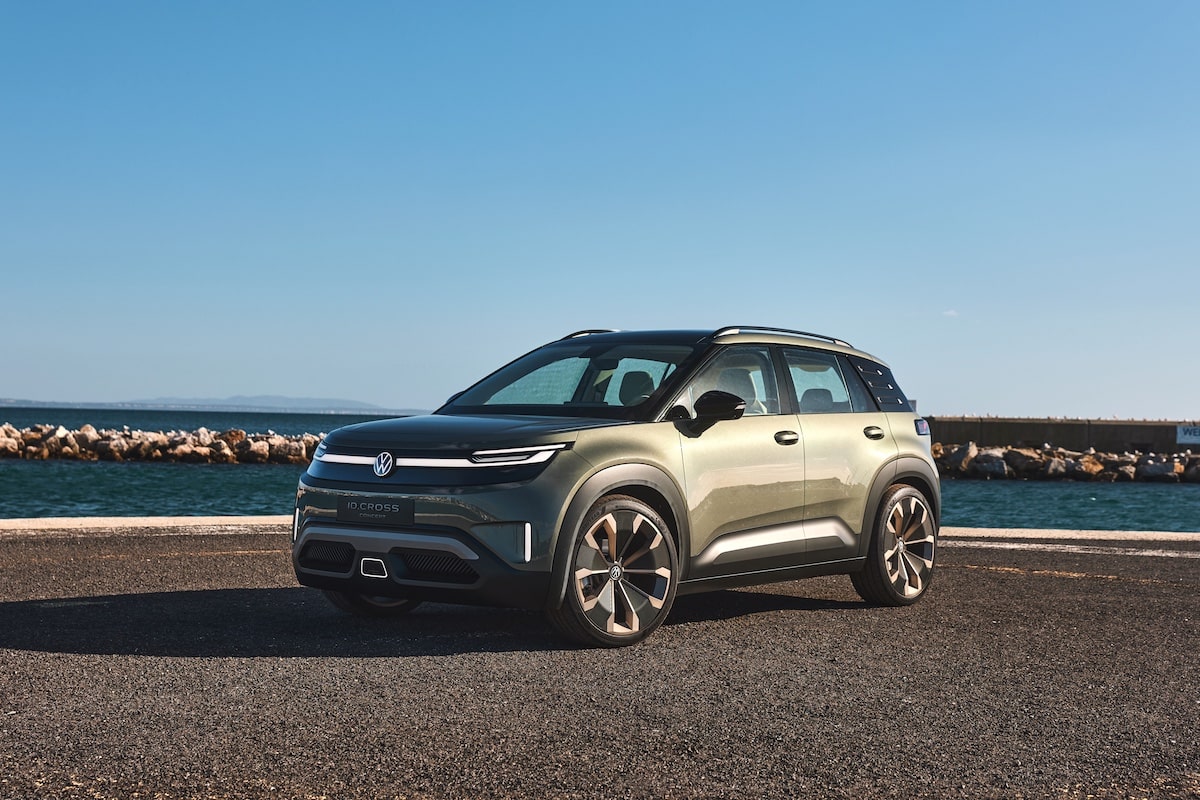
Thanks to the extension of the CEE until 2026, Volkswagen Group France and EDF are enhancing the subsidies for the purchase of electric vehicles.
The French electric car market is receiving a new boost with the extension of the Energy Savings Certificates (CEE) scheme throughout 2026. This governmental decision aims to support the purchase and long-term rental of electric vehicles, whether they are passenger cars or light commercial vehicles. In this context, Volkswagen Group France is announcing a significant increase in its subsidies in partnership with EDF, the energy supplier designated as “obligated” within the framework of the CEE.
Specifically, the financial aids concern both individuals and businesses as well as local authorities, for purchase or rental contracts longer than 24 months. For households, the scheme continues the “Coup de Pouce” measures rolled out in 2025, to which a bonus related to the European manufacturing of vehicles and their batteries is added. The stated objectives are twofold: to stimulate demand while promoting local production that meets European environmental standards.
An increased CEE limit
Starting from February 13, 2026, the amounts of the subsidies will change significantly. The limit can now reach 6,890 euros for households with the lowest incomes, which is an increase of 1,290 euros compared to previous rates. For other individuals, the aid package ranges from 3,450 to 6,890 euros depending on income conditions and vehicle eligibility.


These subsidies apply across the entire distribution networks of the group for electric models from Volkswagen, Volkswagen Commercial Vehicles, Skoda, Cupra, and Audi. The vehicles must meet several criteria: a price lower than 47,000 euros including tax, a maximum weight of 2.4 tons, and an eco-score compliant with the scheme’s requirements. The additional bonus applies when the vehicle assembly and battery cell production are carried out within the European Economic Area. This partnership between a car manufacturer and an energy provider illustrates a joint strategy combining public policy, energy transition, and economic incentives. For consumers, this translates into a tangible reduction in the cost of accessing electric mobility, in a context where the purchase price remains a major barrier.
You might be interestedin this article:
ALSO AT LRE: Ecological tax, CEE 2026 subsidy: what aids and sanctions?
This page is translated from the original post "Des voitures électriques moins chères avec Volkswagen et EDF" in French.
We also suggestthese articles:
Also read
Recent articles