
Ecological Penalty, CEE Grant 2026: What Aids and Sanctions?

- Published on 19/11/2025 18:48
- Modified on 26/11/2025 17:23
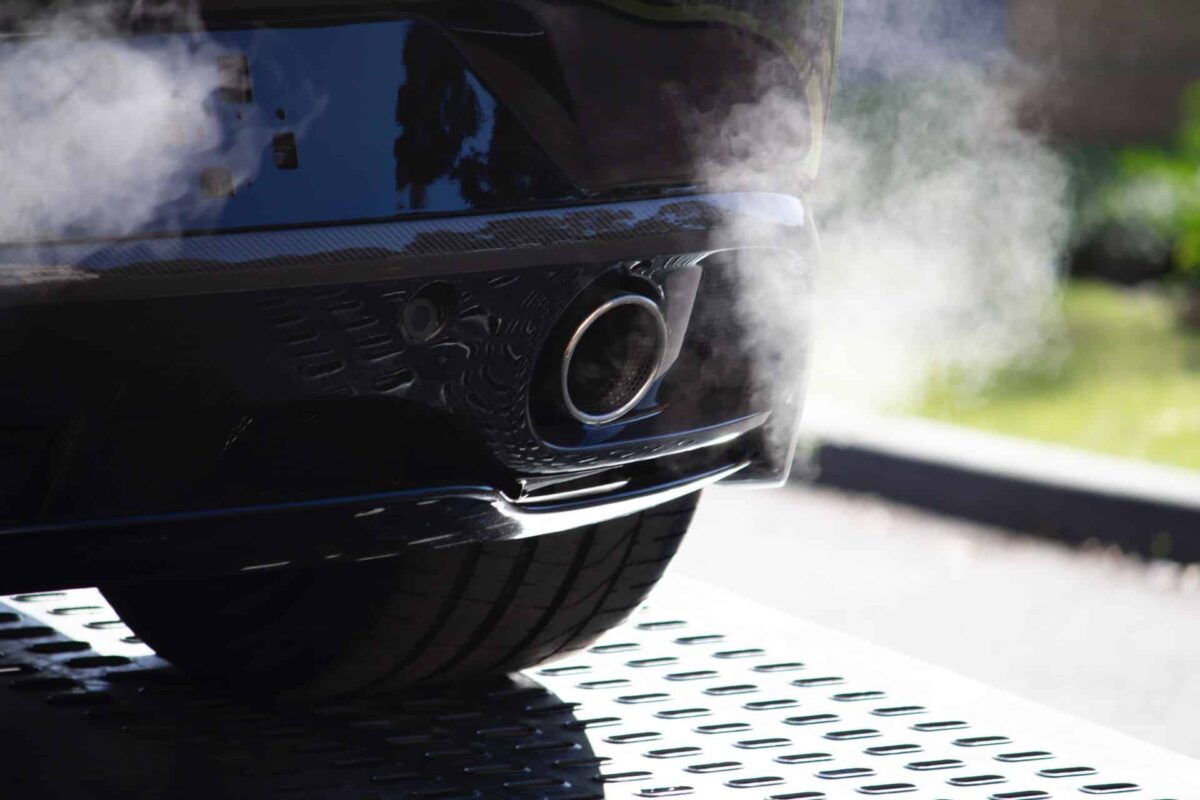
As of January 1, 2026, the amount of aid and penalties related to the Ecological Malus and the CEE Bonus will evolve towards even greater severity.
ECOLOGICAL MALUS 2026
The Finance Law n° 2025-127 of February 14, 2025 modifies the scales of the ecological malus for the years to come, by adjusting rates based on CO₂ emissions, engine power, and the vehicle’s weight in running order.
These measures apply to the purchase or registration of new vehicles in France and aim to encourage the transition to “cleaner” cars.
| CO2 scale, WLTP method, for the year 2026 | |
|---|---|
Emissions (in g/km) | Rate (in €) |
Below 108 | 0 € |
108 | 50 € |
109 | 75 € |
110 | 100 € |
111 | 125 € |
112 | 150 € |
113 | 170 € |
114 | 190 € |
115 | 210 € |
116 | 230 € |
117 | 240 € |
118 | 260 € |
119 | 280 € |
120 | 310 € |
121 | 330 € |
122 | 360 € |
123 | 400 € |
124 | 450 € |
125 | 540 € |
126 | 650 € |
127 | 740 € |
128 | 818 € |
129 | 898 € |
130 | 983 € |
131 | 1,074 € |
132 | 1,172 € |
133 | 1,276 € |
134 | 1,386 € |
135 | 1,504 € |
136 | 1,629 € |
137 | 1,761 € |
138 | 1,901 € |
139 | 2,049 € |
140 | 2,205 € |
141 | 2,370 € |
142 | 2,544 |
143 | 2,726 € |
144 | 2,918 € |
145 | 3,119 € |
146 | 3,331 € |
147 | 3,552 € |
148 | 3,784 € |
149 | 4,026 € |
150 | 4,279 € |
151 | 4,543 € |
152 | 4,818 € |
153 | 5,105 € |
154 | 5,404 € |
155 | 5,715 € |
156 | 6,126 € |
157 | 6,637 € |
158 | 7,248 € |
159 | 7,959 € |
160 | 8,770 € |
161 | 9,681 € |
162 | 10,692 € |
163 | 11,803 € |
164 | 13,014 € |
165 | 14,325 € |
166 | 15,736 € |
167 | 17,247 € |
168 | 18,858 € |
169 | 20,569 € |
170 | 22,380 € |
171 | 24,291 € |
172 | 26,302 € |
173 | 28,413 € |
174 | 30,624 € |
175 | 32,935 € |
176 | 35,346 € |
177 | 37,857 € |
178 | 40,468 € |
179 | 43,179 € |
180 | 45,990 € |
181 | 48,901 € |
182 | 51,912 € |
183 | 55,023 € |
184 | 58,134 € |
185 | 61,245 € |
186 | 64,356 € |
187 | 67,467 € |
188 | 70,578 € |
189 | 73,689 € |
190 | 76,800 € |
191 | 79,911 € |
Above 191 | 80,000 € |
You might be interestedin this article:
CEE BONUS 2026
Since July 1, 2025, the landscape of aids for purchasing an electric car has changed profoundly. The Ecological Bonus has been replaced by a new CEE Bonus, officially called the “Boost for Electric Private Vehicles” bonus, funded through the Energy Savings Certificates (CEE) system. Energy players (suppliers, etc.) and their partners fund the aid in exchange for actions to reduce energy consumption.
Who can benefit from the CEE bonus for electric vehicles?
The beneficiary must:
. be a legal adult,
. reside in France,
. purchase or lease a vehicle under a contract of at least 2 years (long-term rental or LOA).
Good to know: The CEE Bonus applies to both individuals and some sole proprietors, provided they meet the CEE eligibility criteria.
Which vehicles are eligible for the CEE bonus for electric vehicles?
The Boost aims at new 100% electric passenger cars that meet several technical criteria:
. be a new passenger vehicle in category M1,
. use electricity exclusively as fuel,
. have an acquisition price ≤ 47,000 € including VAT excluding options, battery included if applicable,
. have a weight in running order < 2.4 tons,
. obtain an environmental score ≥ 60 points.
The environmental score takes into account the vehicle’s impact from manufacturing to usage (production, transportation, battery, etc.). The official list of models meeting this criterion is published by Ademe on a dedicated platform.
Amount of the CEE bonus for electric vehicles in 2026
The amount of the associated bonus is not set by the State; it depends on the prices of energy savings certificates and the contractual negotiations between different manufacturers and obligated parties.
. Up to €5,700 for low-income households and those in energy poverty (see table below),
. Up to €4,700 for households classified as “low-income but not in poverty”
. Up to €3,500 for other households
These amounts are provided as an indication by public authorities: in practice, the amount paid depends on the CEE offer proposed by the company signing the “Boost for Electric Private Vehicles” charter (obligated and delegated parties).
INCOME CEILING
| Number of people in the household | Households in energy poverty | Low-income households |
|---|---|---|
| 1 | 23,768 € | 28,933 € |
| 2 | 34,884 € | 42,463 € |
| 3 | 41,893 € | 51,000 € |
| 4 | 48,914 € | 59,549 € |
| 5 | 55,961 € | 68,123 € |
| per additional person | + 7,038€ | + 8,568 € |
Supplementary bonus of €1,000 for vehicles produced in Europe
Starting from October 1, 2025, a supplementary bonus – called “superbonus” – of €1,200 to €2,000 can be added to the Boost if:
. the vehicle is assembled in the European Economic Area,
. the battery is also produced in Europe,
. the vehicle is on the official list published by Ademe.
In practice, for certain European models, the total bonus can exceed €6,000 by combining the base bonus and the additional amount related to European production, as highlighted by several manufacturers (Renault, Peugeot, etc.).
WEIGHT MALUS
This is a tax applied to new vehicles registered in France, based on their weight in running order (i.e., the weight of the vehicle with all fluids, fuel, etc.). This tax adds to the malus related to CO₂ emissions. The idea: a very heavy vehicle consumes more, emits more, and occupies more public space. French lawmakers want to encourage lighter vehicles.
Note that currently, electric and hydrogen cars are not affected.
2026 Scale:
As of January 1, 2026, the triggering threshold will be lowered to 1,500 kg for the weight in running order. The rate brackets per kilo will become heavier for each weight interval. For example:
. Up to 1,499 kg: 0 €
. 1,500-1,699 kg: ~10 €/kg
. 1,700-1,799 kg: ~15 €/kg
. 1,800-1,899 kg: ~20 €/kg
. 1,900-1,999 kg: ~25 €/kg
. ≥ 2,000 kg: ~30 €/kg
The cumulation of CO₂ malus + weight malus could be unlimited by 2028.
Simulation with a Peugeot 3008 Plug-In Hybrid 195:
. Weight in running order: ≈ 1,980 kg
. PHEV with electric range > 50 km → a discount of 200 kg (art. L421-79).
. Taxable weight = 1,980 – 200 = 1,780 kg
Application of the 2026 scale:
. 0 € up to 1,499 kg
. 1,500–1,699 kg → 200 kg × 10 € = 2,000 €
. 1,700–1,780 kg → ~80 kg × 15 € = ≈ 1,200 €
TOTAL: around 3,200 €
Particularities / exemptions / discounts
For plug-in hybrid vehicles with electric range > 50 km, a weight discount of 200 kg is applied up to 15% of the weight in running order. The weight malus does not apply if the CO₂ malus reaches its ceiling of 80,000 euros. For large families or certain vehicles (8 seats + held by a legal entity), specific reductions may exist.
READ ALSO: Electric, is the Porsche Cayenne cheaper than thermal?
This page is translated from the original post "Malus écologique, Prime CEE 2026 : quelles aides et sanctions ?" in French.
We also suggestthese articles:
Also read
Recent articles