CO2 Target: BMW Announces Millions of Tons Saved

- Published on 03/12/2025 10:20
- Modified on 03/12/2025 10:21
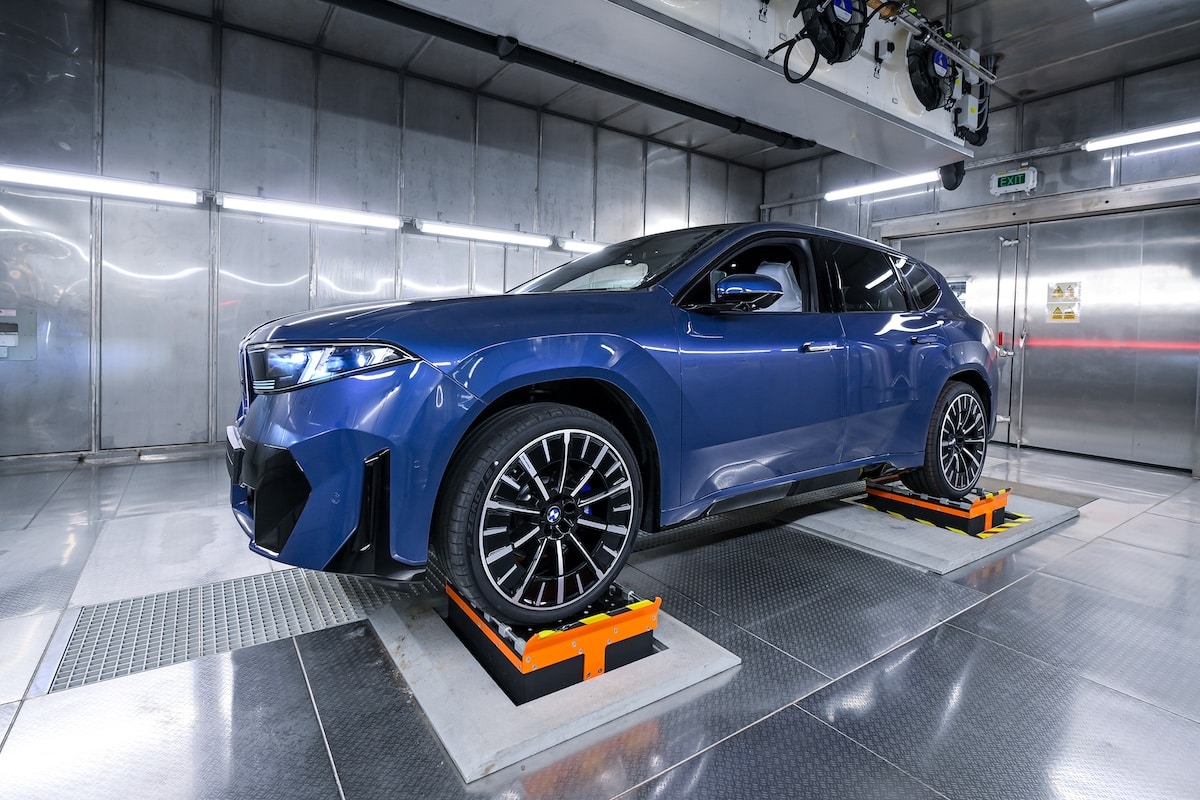
The BMW group takes a new step in its environmental strategy by announcing a goal to reduce CO₂e emissions.
By 2035, the Bavarian manufacturer now aims to reduce 60 million metric tons of CO₂e compared to 2019, a significantly more ambitious target than the one set for 2030. This new trajectory is part of a comprehensive plan aiming for carbon neutrality by 2050, in accordance with the commitments of the Paris Agreement.
So far, BMW had committed to reducing at least 40 million tons of CO₂e across its entire lifecycle (scopes 1, 2, and 3) by 2030. The additional 20 million tons promised for 2035 marks a notable increase in the manufacturer’s climate commitments.
Specifically, this means that every euro generated by BMW in 2035 must be associated with less than half of the emissions produced in 2019. This is a way to link economic performance and environmental responsibility in a sector undergoing significant transformation.
You might be interestedin this article:
A decarbonization planned “from cradle to grave”
BMW emphasizes: merely ramping up electric vehicle sales will not be enough. The group adopts a comprehensive approach that encompasses the entire automotive lifecycle, from raw material extraction to the vehicle’s end of life.
The efforts focus on the most CO₂e emitting components, particularly batteries, aluminum, and steel. BMW plans to massively increase the use of recycled raw materials and renewable energy among its suppliers. The sixth generation of batteries (Gen6), currently in development at its centers of excellence, will also contribute to lowering emissions.
Since 2020, all BMW factories have operated exclusively with renewable electricity from external suppliers. The manufacturer goes further with its new site in Debrecen, Hungary, intended for the production of the future iX3: it will be the first BMW factory to operate without fossil fuels, a world first for the brand.
A success dependent on external factors
Beyond the electrification of the range, BMW focuses on systematically optimizing the performance of its vehicles. Through the EfficientDynamics program, the manufacturer claims it can identify and reduce efficiency losses across all subsystems: powertrains, aerodynamics, tires. The upcoming BMW iX3, for instance, boasts a reduced consumption of 20% compared to the current model.
While BMW is doubling down on efforts, the brand acknowledges that certain milestones remain beyond its control. Achieving the 2035 target will also depend on:
the evolution of the steel industry towards lower carbon processes,
• the accelerated development of charging infrastructure,
• advancements in recycling and circular economy,
• the technological maturity of future generations of batteries.
With this new climate objective, BMW sends a strong signal in an automotive sector engaged in a global race for decarbonization. As regulations tighten and societal expectations evolve, the German industrial aims to prove that it is possible to combine innovation, performance, and carbon sobriety. But also good press…
ALSO READ: Skoda offers us its vision of the sedan of tomorrow
This page is translated from the original post "Objectif CO2 : BMW annonce des millions de tonnes économisées" in French.
We also suggestthese articles:
Also read
Recent articles