
Is France behind in autonomous cars?

- Published on 24/07/2026 10:12
- Modified on 24/07/2026 10:13
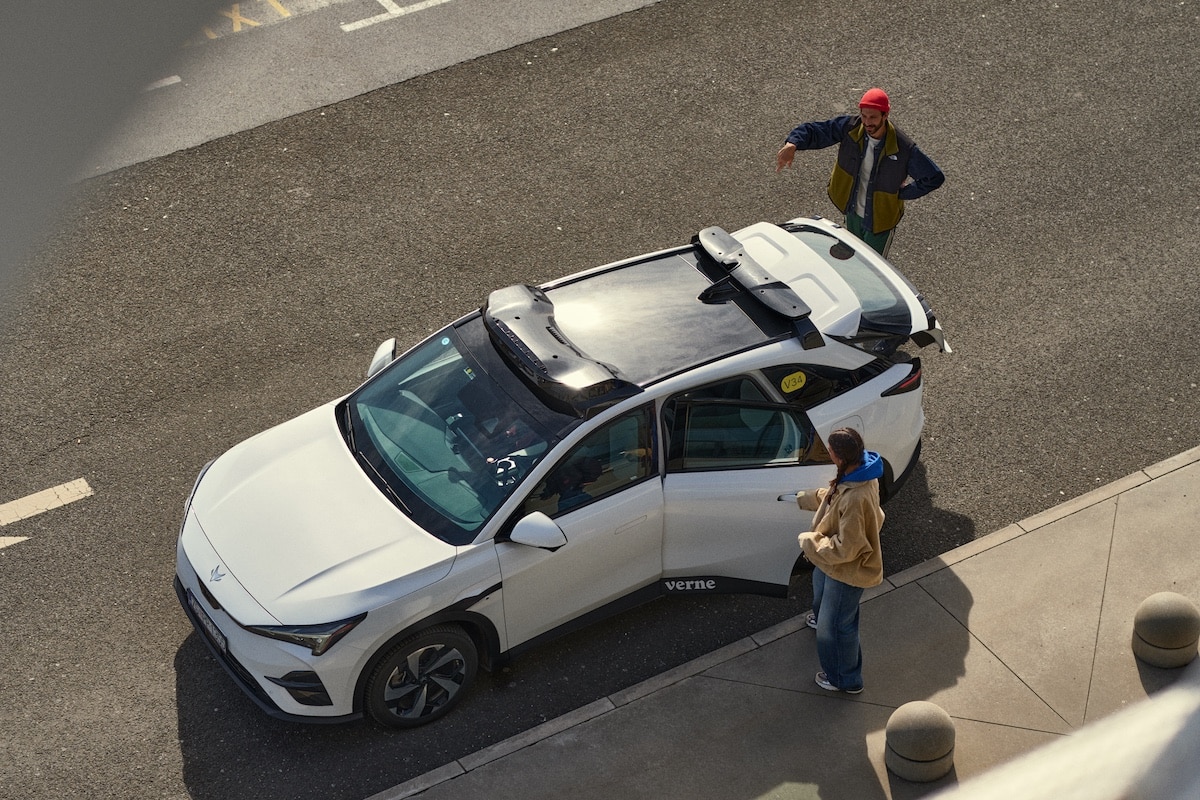
While robotaxis are multiplying in the United States and China, France seems to be lagging behind in its autonomous developments.
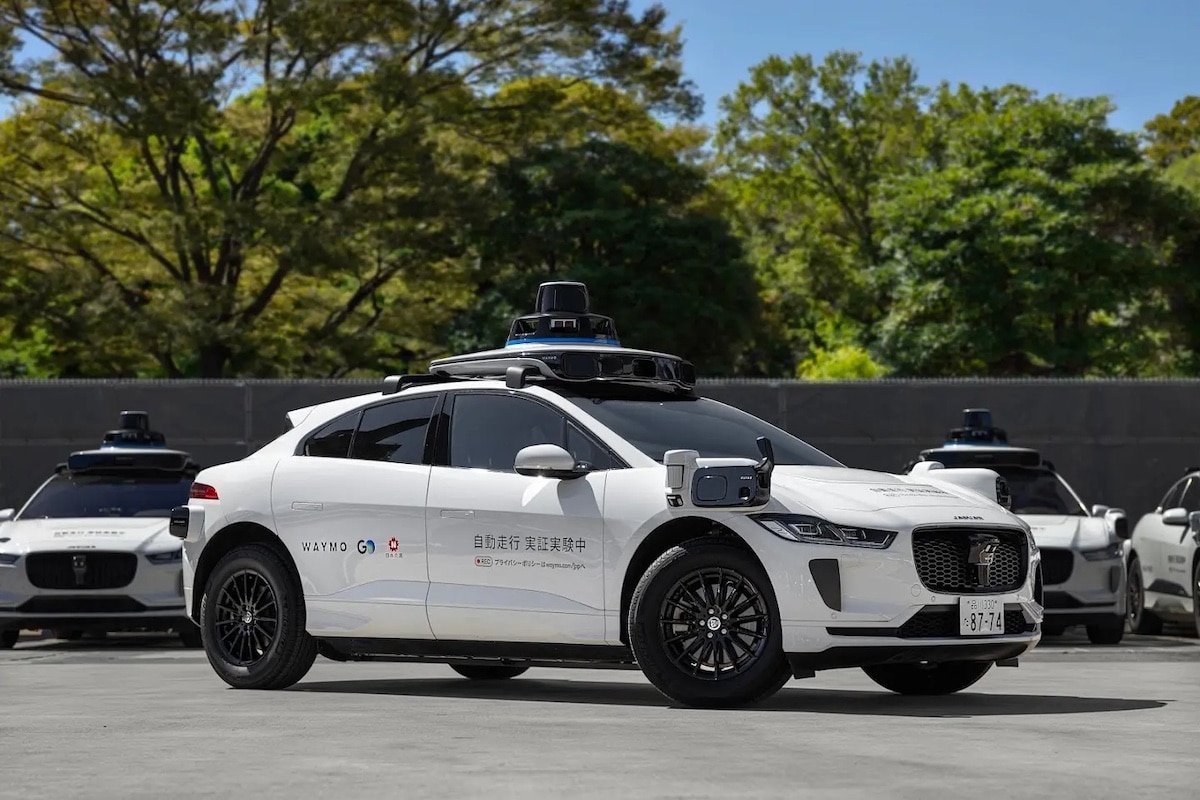
In the United States, Waymo’s autonomous robotaxis are now making hundreds of thousands of paid trips each week. In China, Baidu, WeRide, Pony.ai, and Momenta are also accelerating their deployments in several major cities. Meanwhile, France often gives the impression of observing this revolution from a distance.
However, the reality is more nuanced. Contrary to popular belief, France currently has one of the most advanced regulatory frameworks in Europe for automated vehicles. For several years, experiments have been authorized, and public authorities are working to harmonize rules at the European level. Last May, Paris even called on the European Union to accelerate on this issue to avoid falling behind the American and Chinese giants.
Whose fault is it… or what is it?
The main delay is therefore less legal than industrial. No French player currently has a fleet of robotaxis comparable to those of Waymo or Apollo Go. French experiments mainly involve autonomous shuttles on well-defined routes, far from the large-scale commercial services deployed in San Francisco, Phoenix, or Wuhan.
However, the situation could evolve. Waymo recently established a structure in France, a first step that could prepare for future trials on the territory, even if a commercial launch does not seem feasible for several years.
You might be interestedin this article:
One essential question remains: are motorists ready? Several studies show that public acceptance remains a major challenge, despite the spectacular advances in artificial intelligence. Between safety, legal responsibility, and user trust, autonomous cars will still need to convince before they become a reality of everyday life.
This page is translated from the original post "La France est-elle en retard sur la voiture autonome ?" in French.
We also suggestthese articles:
Also read


Recent articles