F1 continues its ecological shift

- Published on 18/06/2026 18:02
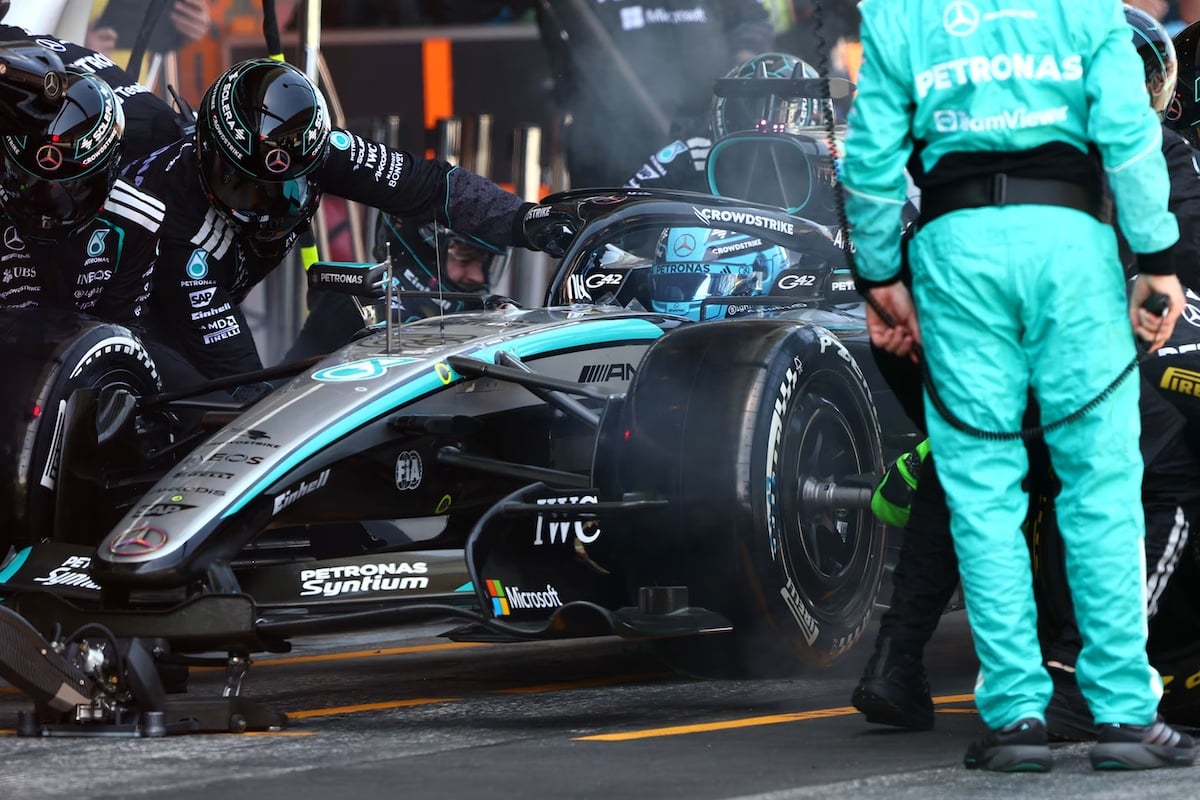
F1 claims to have reduced its carbon footprint by 35% since 2018, an ecological shift that goes far beyond just environmental concerns.
The F1 continues its transformation. According to its latest impact report published this week, the world championship has reduced its carbon footprint by 35% since 2018 and assures that it is still on track to meet its carbon neutrality goal by 2030.
Specifically, nearly 80,000 tons of CO2 equivalent have been eliminated from the championship’s operations over eight years. Air transport, long considered the environmental Achilles’ heel of the discipline, is under special scrutiny with increasing reliance on sustainable aviation fuels (SAF), maritime transport, and better regional scheduling. Emissions related to travel have thus decreased by 27%, while those from team factories and infrastructures have fallen by 64% due to greater use of renewable energies.
These efforts are real and deserve to be applauded. They reflect a level of awareness that seemed unimaginable in the paddock about a decade ago. But beyond the numbers, this environmental strategy is part of a much broader transformation of the image of Formula 1 and, more generally, motorsport.
Towards Carbon Neutrality and Beyond
For several years, the discipline has been trying to attract a younger, more international audience that is more sensitive to societal issues. The success of series like Drive to Survive, the explosion of presence on social media, and the emphasis on diversity and sustainability are all part of the same logic: to make F1 more modern, more accessible, and more respectable in the eyes of the general public.
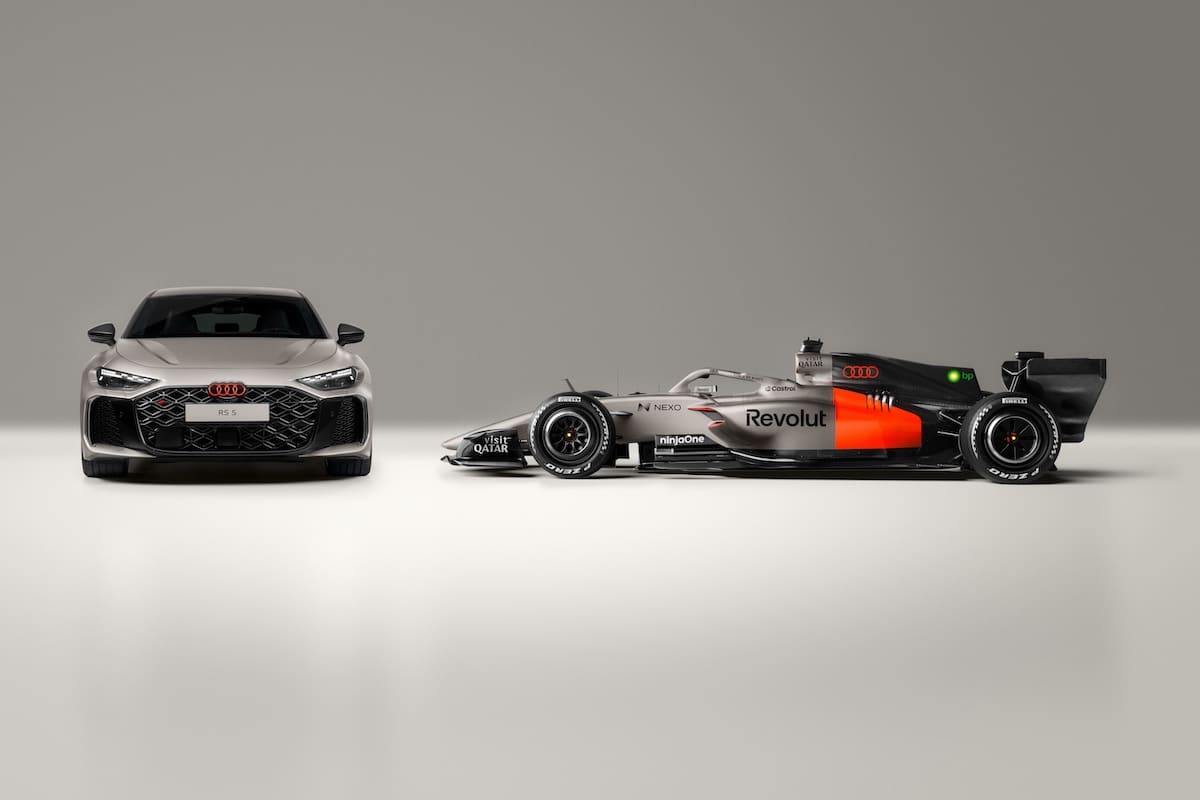
This evolution also responds to economic imperatives. To attract new manufacturers like Audi, which is officially entering in 2026, or to convince international groups to partner with the championship, Formula 1 must demonstrate its compatibility with the environmental commitments that are now essential for large companies.
The recent arrival of Gucci as the main partner of Alpine F1 perfectly illustrates this trend. Luxury, technology, or mobility brands are no longer just looking for a sports showcase. They also want to partner with a platform capable of embodying innovation, responsibility, and modernity.
You might be interestedin this article:
F1 remains an extremely resource-intensive global motorsport. But it now knows that its future is no longer solely dependent on the racetrack. It also depends on its ability to convince that it can remain spectacular while becoming more virtuous.
READ ALSO: Mercedes brings its F1s to Silverstone by electric truck
This page is translated from the original post "La F1 poursuit son virage écologique" in French.
We also suggestthese articles:
Also read
Recent articles