
Thermal 2035: Are French Manufacturers Sacrificed?

- Published on 18/12/2025 13:52
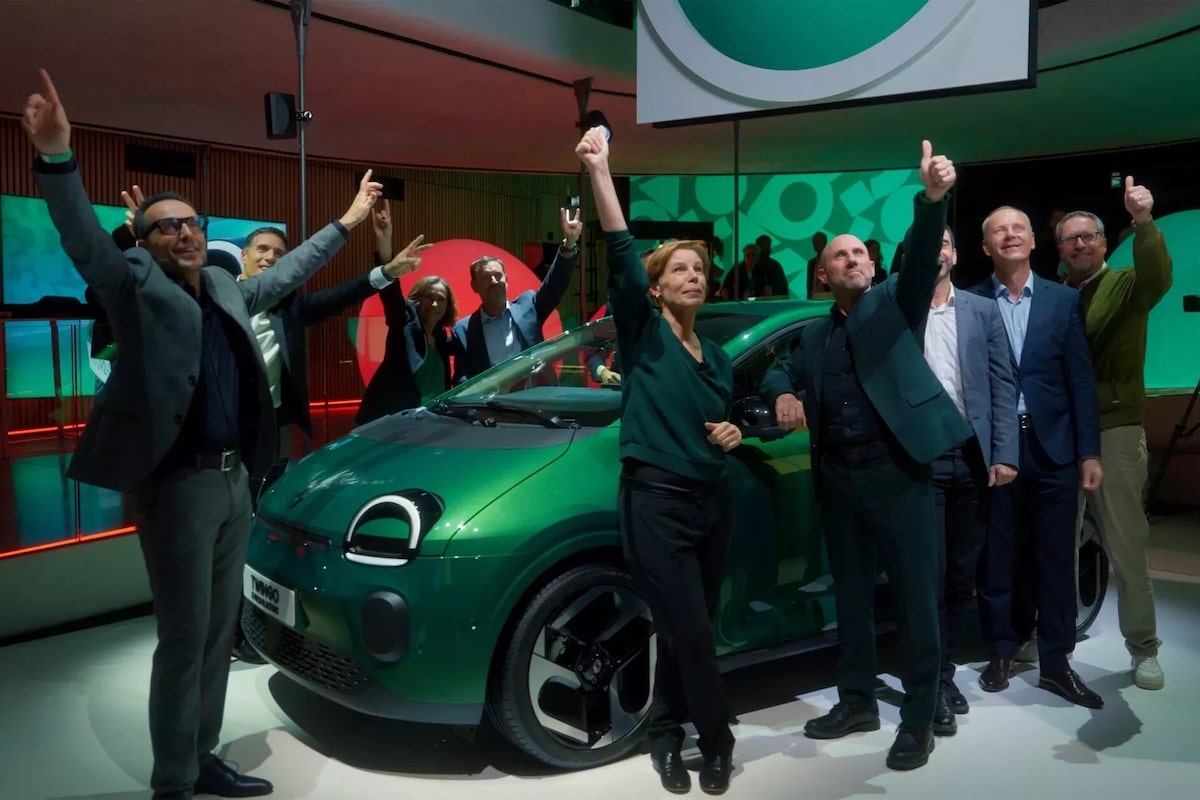
The EU reverses the 2035 rule on thermal engines, a setback for the French electric strategy?
The European Union has proposed to abandon the total ban on new cars with thermal engines scheduled for 2035, replacing it with a 90% reduction target for CO₂ emissions compared to 2021 and allowing manufacturers to sell thermal or hybrid models compensated up to 10% of their fleet after that date. This announcement, influenced by pressure from industry stakeholders and several member states, raises significant uncertainties for the future of the European automotive sector.
For Renault, Peugeot, and Citroën, this turnaround is both a breath of fresh air and a contradictory signal. In the short term, the relaxation reduces regulatory pressure: manufacturers can continue to produce petrol, diesel, or hybrid cars without risking exclusion from the European market by 2035. This provides strategic leeway in the face of still uneven demand for electric vehicles and persistent challenges around charging infrastructure.
France was maintaining a good electric pace
However, this flexibility comes at the risk of diluting the competitive advantages that French manufacturers hoped to gain by betting early and heavily on electric vehicles. Renault has made massive investments in electric cars, seeking to capture a significant share of the EV market; Stellantis has deployed common platforms across its brands to reduce production costs and improve margins. With a less stringent regulatory framework, economies of scale and incentives to accelerate the transition could erode, at the very moment when competition from low-cost Chinese electric vehicles is gaining ground.
Experts also note increased uncertainty for investors and long-term planning teams. Changing the rules mid-course can affect confidence in the European industrial plan and potentially slow down R&D in EV technologies while strengthening the appeal of hybrid solutions or alternative fuels.
You might be interestedin this article:
Renault and Stellantis do benefit from a short-term strategic breather, but their ambitious electric trajectory is undermined by a policy that sends mixed signals to the market and investors… potentially to the advantage of more aggressive international competitors in the electric space.
ALSO READ: The great renouncement of Europe on the thermal engine
This page is translated from the original post "Thermique 2035 : les constructeurs français sacrifiés ?" in French.
We also suggestthese articles:
Also read
Recent articles