
The Great Renunciation of Europe on the Internal Combustion Engine

- Published on 17/12/2025 7:15
- Modified on 17/12/2025 7:59
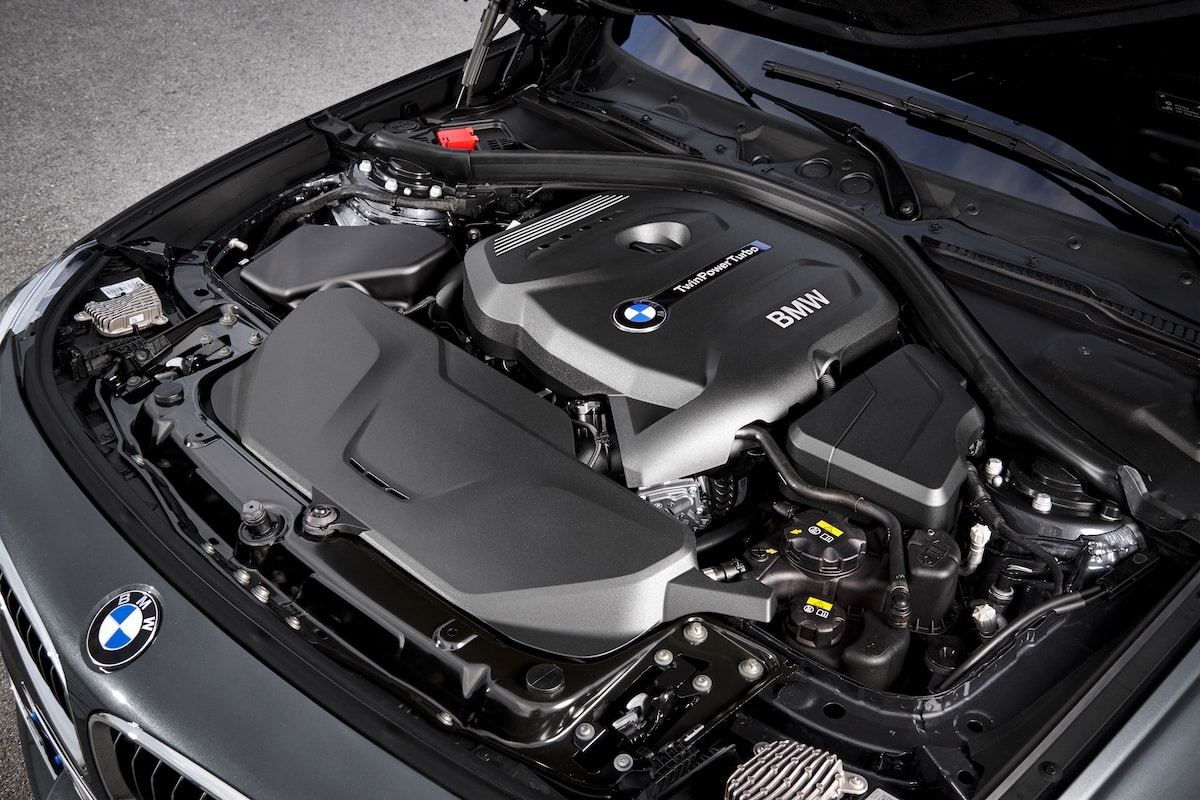
The ban on thermal engines in 2035? No one ever really believed it, and everyone knew.
The European Commission officially confirmed on December 16 what already felt like a predetermined outcome: the scheduled end of the thermal engine in 2035 will ultimately not happen. By agreeing to reduce the goal of cutting CO2 emissions from new cars from 100% to 90%, Brussels is acknowledging a retreat. A retreat that is accepted but, above all, inevitable, given that the project, as initially conceived, was based on fragile foundations.
From the beginning, this total ban was more of a political symbol than a credible industrial strategy. In Brussels, the Commission demonstrated a concerning blindness to the true state of the European automotive industry: strained supply chains, dependence on Asian batteries, massive delays in affordable electric vehicles. In contrast, China is moving fast, very fast, with a complete, competitive offer that is already largely exportable. Europe, on the other hand, has settled for incantatory goals.
Car manufacturers were never fooled. Officially, they cheered. Unofficially, they knew that the timeline was untenable. A lack of charging stations, a lack of volumes, and above all, a lack of customers! The reality on the ground has always contradicted the rhetoric. Therefore, this revision of the regulation is not a surprise, but rather an admission of a tremendous waste, fueled by poorly calibrated climate demagoguery.
No winner
By allowing the continued sale of thermal vehicles after 2035, through hybrids and alternative fuels, the European Union is now seeking an exit strategy. The problem is that the share allocated to hybrids will be majority… just like today! What progress! How many millions wasted in vain?
However, throwing everything away would be a mistake. Some next-generation alternative fuels – e-fuels produced with decarbonized electricity, advanced biofuels derived from waste – can play a targeted role, particularly for existing fleets or certain specific uses. They will not replace electric vehicles but can intelligently complement the transition.
You might be interestedin this article:
The real failure lies elsewhere because Europe has lost precious time. By continuously setting unrealistic goals, it has delayed the essential: building a solid, competitive, and accessible European electric sector. This retreat is not a scandal as it was highly anticipated, even desired. It is the steep price of a policy that was too green, marred by industrial denial, which long allowed ambition and disconnection to coexist.
ALSO READ: The ban on thermal engines in 2035 turns into a joke
This page is translated from the original post "Le grand renoncement de l’Europe sur le moteur thermique" in French.
We also suggestthese articles:
Also read
Recent articles