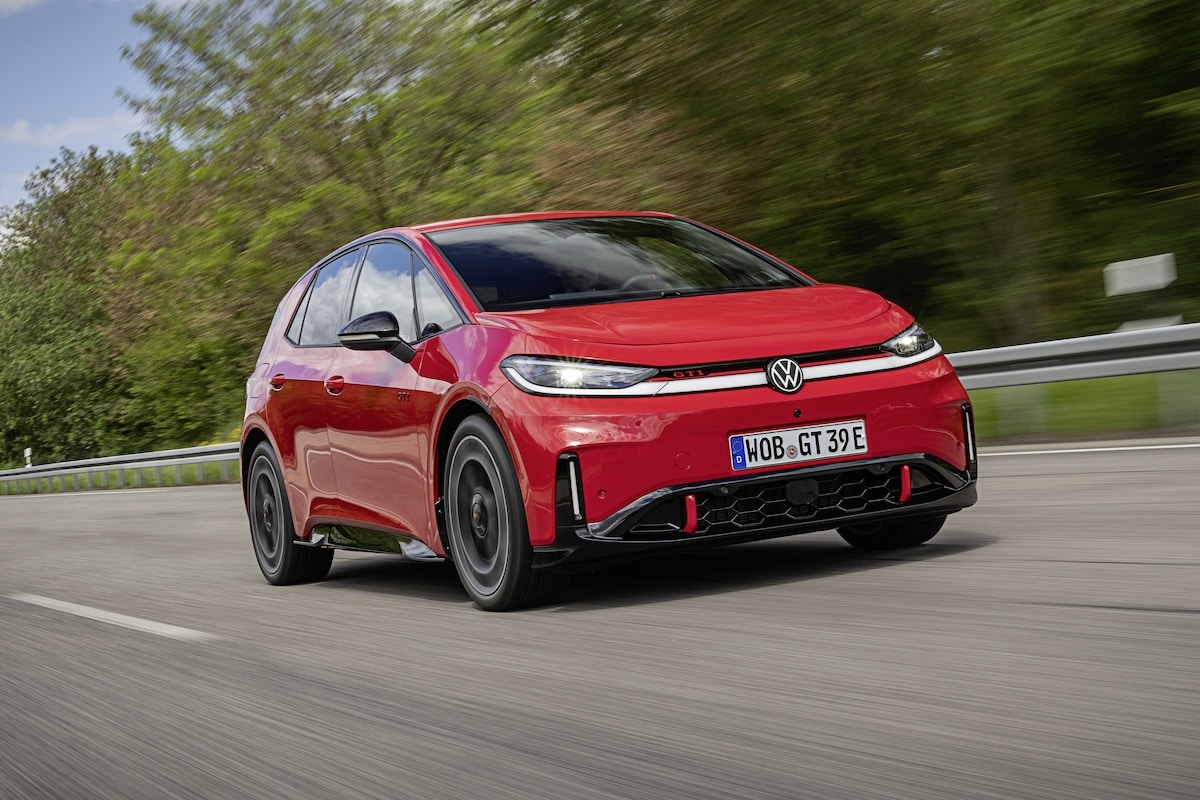
Leapmotor takes on batteries, the leading cause of car breakdowns

- Published on 21/09/2026 8:54
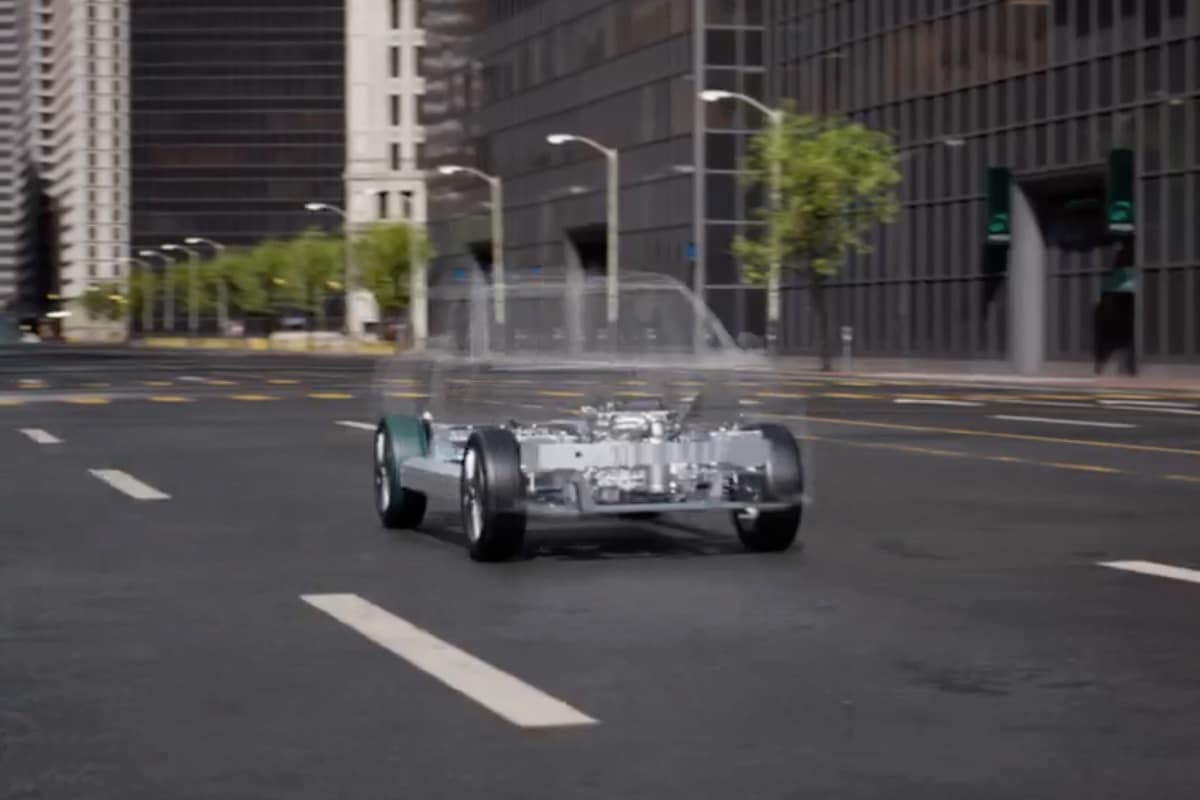
With its CTC 3.0 technology, Leapmotor aims to eliminate the lead auxiliary battery, responsible for nearly one in two breakdowns.
A large battery full of energy, screens everywhere, hundreds of kilometers of promised range… and a car that refuses to start. The culprit is contained in a small box: the 12 V battery. While modern automobiles can perform wonders, they sometimes remain at the mercy of this accessory that no one thinks about until it fails.
The findings are solid. According to ADAC statistics for 2026, a discharged or defective auxiliary battery was responsible for 45.4% of breakdowns recorded in Germany in 2025. This is the leading cause, far ahead of engine and electronic issues, which accounted for 21.8%. Therefore, this small battery rightfully deserves attention regarding its future.
Why does an electric car still have a 12 V battery?
Even without a combustion engine to start, an electric car typically retains an auxiliary battery. It powers, among other things, the control units, lighting, and various essential equipment. Thus, the energy reserve meant to drive the wheels is not sufficient: one must also be able to wake the car up.
Leapmotor proposes a reorganization with its Cell-to-Chassis 3.0 technology, featuring high and low voltage fusion. Behind this technical term lies a concrete objective: to integrate the functions of the auxiliary battery into the powertrain to eliminate the separate lead accumulator.
The cells are integrated directly into the chassis. The high and low voltage supplies share thermal management and energy distribution, according to the manufacturer’s description.
One less battery, fewer breakdowns?
For the owner, the benefits would be twofold: eliminating a periodic replacement and getting rid of a component often responsible for immobilizations. Leapmotor promises maintenance-free operation of this function throughout its lifespan. Reducing the number of lead batteries to manufacture and then dispose of would also present an environmental benefit.
However, this promise must withstand the test of daily use. Removing the 12 V battery does not guarantee the elimination of power supply failures. The announcement does not detail the systems to maintain essential functions in the event of a problem.
This technology is meant to equip future Leapmotor vehicles. If it lives up to its promises, it could bring about a far more appreciated advancement than an additional screen: preventing an energy-filled car from stubbornly remaining parked.
ALSO READ: At €23,400, the Leapmotor B03X raises questions!
You might be interestedin this article:
This page is translated from the original post "Leapmotor s’attaque à la batterie, première cause de panne automobile" in French.
We also suggestthese articles:
Also read


Recent articles