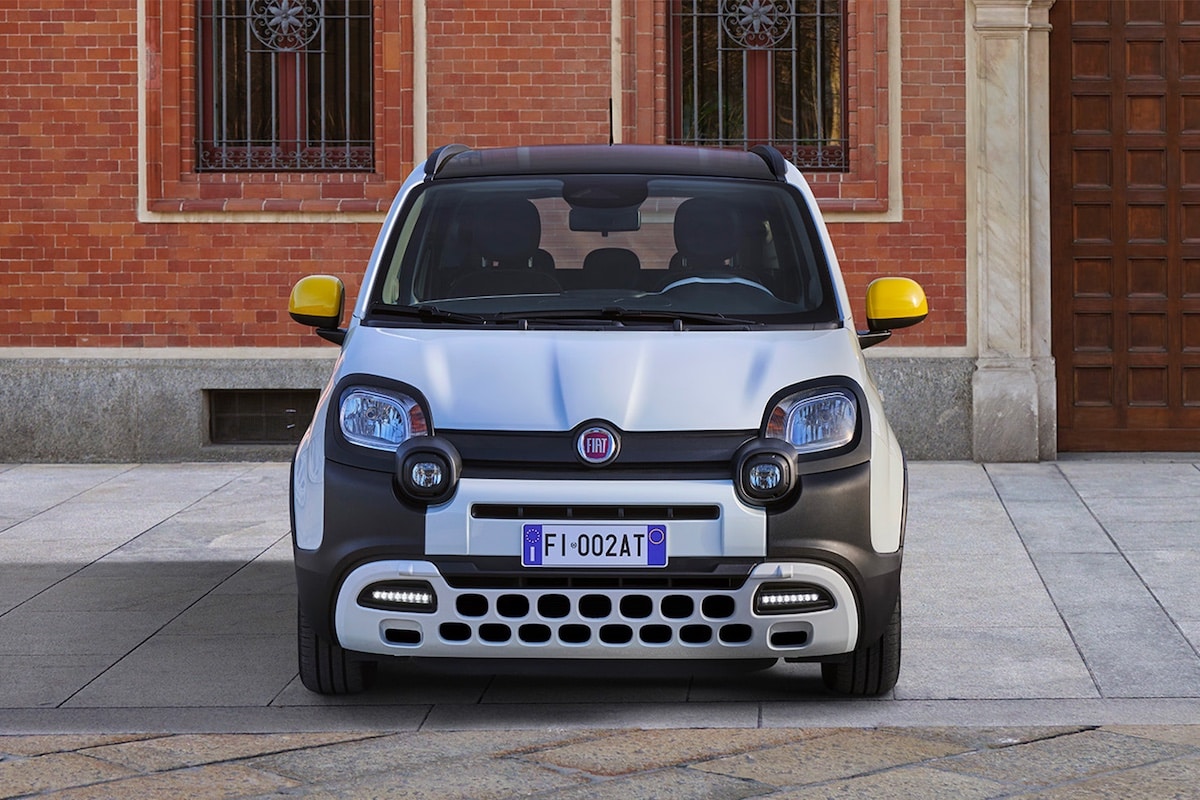
Fiat Panda
The Fiat Panda is a compact and economical car that has played an important role in Fiat’s history and in the small car segment. Here’s an overview of its history:
1. **Launch and Design:**
– The Fiat Panda was introduced in 1980. It was designed by Giorgetto Giugiaro, a renowned car designer known for his simplicity and efficiency.
– The idea behind the Panda was to create a small, affordable, and versatile car suitable for urban and rural use.
2. **Features and Innovations:**
– The Panda was notable for its functional and Spartan design. It had a spacious interior for its size, with rear seats that could fold down to increase cargo space.
– It was also known for its maneuverability and low maintenance costs, making it a popular option for budget-conscious drivers.
3. **Popularity and Impact:**
– The Panda quickly gained popularity, partly due to its affordable price, versatility, and low running costs.
– It was particularly popular in Europe, where its compact dimensions were well-suited to narrow streets and densely populated cities.
4. **Evolutions and New Generations:**
– Over the years, the Panda has evolved, with several updates and revisions. The second generation was launched in 2003, featuring a more modern design and improved functionality.
– The third generation, launched in 2012, continued to modernize the Panda, with enhancements in safety, comfort, and technology.
5. **Eco-friendly Variants:**
– In recent years, Fiat has introduced more eco-friendly versions of the Panda, including models with hybrid and electric powertrain options, reflecting the growing trend towards sustainability in the automotive industry.
6. **Legacy and Recognition:**
– The Fiat Panda is often praised for its smart and economical design. It has been recognized for its significant impact on the small car market and remains an important part of Fiat’s offering.
The Panda continues to be an iconic figure in the Fiat lineup, symbolizing accessibility, practicality, and innovation in small car design.