Autonomy for All: The Steering Wheel of Freedom?

- Published on 31/03/2026 11:47
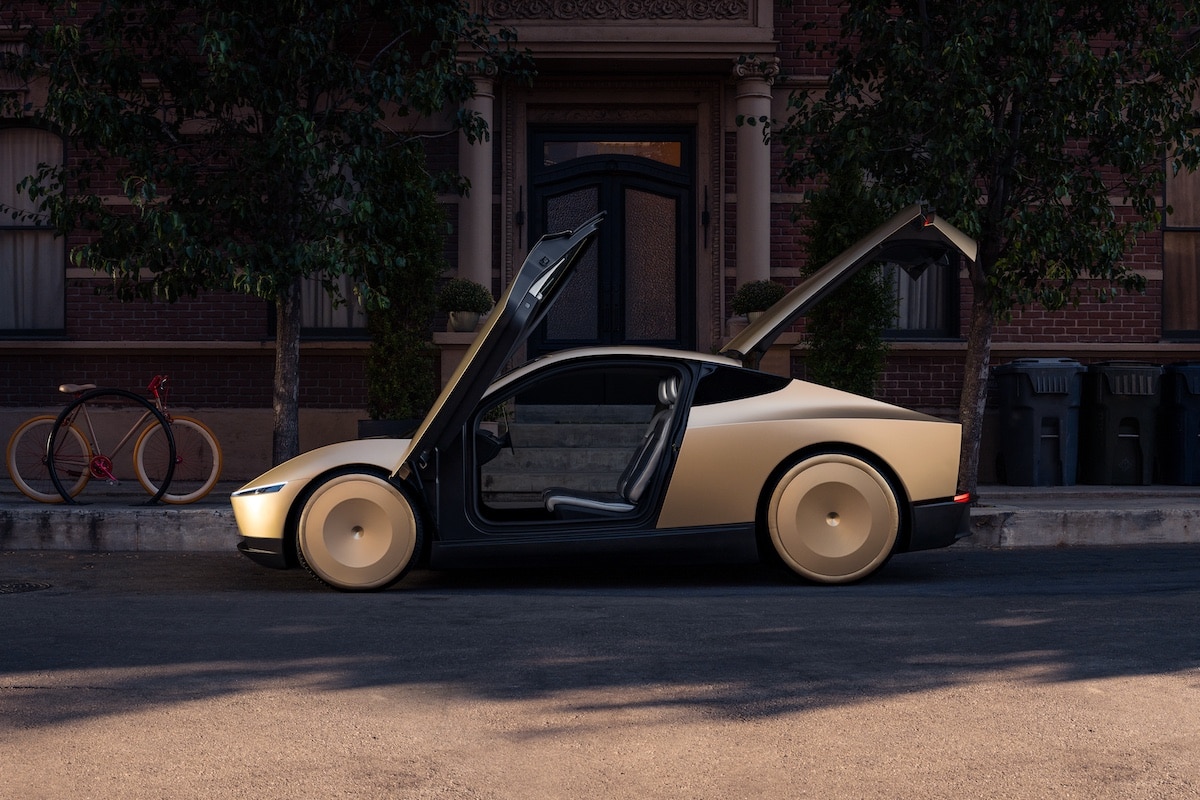
What if the true revolution of the autonomous vehicle was not to free us from driving, but to finally provide total independence to those who are deprived of it?
In 2026, the autonomous car is no longer a science fiction story. Yet, behind the promises of napping at the wheel lies a much more humanitarian issue: inclusion. For many, automated driving technology is not a luxury; it is the missing link to full and complete citizenship.
For a visually impaired person or someone living with a severe motor disability, access to a Level 4 or 5 vehicle changes everything. We are no longer talking about a “gadget” but the end of a sometimes burdensome dependence on relatives or rigid specialized transport services. By 2026, AI is capable of sensing the environment better than anyone, turning the journey into a simple act of will. It promises the ability to go grocery shopping, get to work, or see friends without planning life three days in advance.
The last miles are the hardest
However, innovation still faces two walls of reality:
- The forgotten cabin: A brilliant software is useless if a ramp does not deploy or if the interface does not respond to gaze or voice. Manufacturers must think about accessibility from the design stage (Universal Design), rather than as an afterthought.
- The price of innovation: With LIDAR sensors and cutting-edge processors, the cost remains colossal. Without a boost from public policies, this revolution risks becoming a privilege of the wealthy, creating a new form of social fracture.
An ethical imperative
Prioritizing people with disabilities in the development of automotive AI is a winning bet for everyone. By making systems simpler, safer, and more intuitive for those with specific needs, engineers are indirectly creating a more robust technology for the average driver.
You might be interestedin this article:
The success of the autonomous car will not be measured by the speed of its processors, but by its ability to not leave anyone on the side of the road. The priority is no longer technical; it is human.
ALSO READ: Paris 2024 Olympics: Toyota presents the shuttle for athletes and people with reduced mobility
This page is translated from the original post "L’autonomie pour tous : le volant de la liberté ?" in French.
We also suggestthese articles:
Also read

Recent articles