Do you know since when we have to pay for parking?

- Published on 23/12/2025 10:26
- Modified on 23/12/2025 10:33
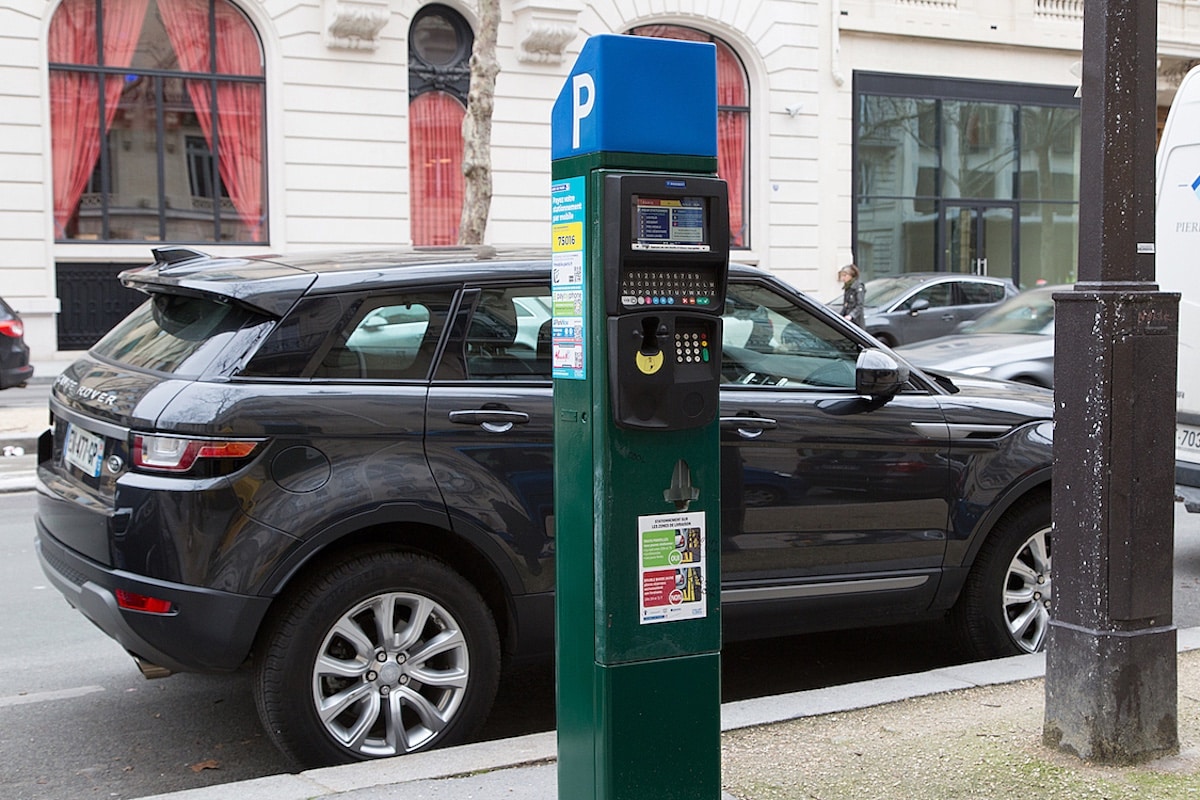
93 years ago, Carl Magee filed a patent for the first parking meter, revolutionizing urban parking management.
December 23, 1932 marks a discreet yet lasting turning point in the history of the automobile and urban life. In Oklahoma City, the rapid growth of the car population led to street congestion. Vehicles occupying spaces all day made it difficult for customers to access businesses, and local authorities were seeking an effective solution to free up parking. It was in this context that Carl C. Magee, a lawyer and publisher, conceived a device to control parking time and charge users.
After several prototypes and collaborations with engineers, Magee officially filed the patent for the parking meter on December 23, 1932. The principle is simple yet ingenious: each driver inserts a coin to obtain a limited parking duration. This automatic rotation of vehicles allows freeing up spaces for other customers and regulating urban traffic.
A necessary evil
The first operational parking meter was installed in July 1935, also in Oklahoma City, with 175 devices spread throughout downtown. Each hour then cost five cents, a symbolic price but sufficient to encourage drivers not to occupy spaces indefinitely. Although the concept was met with skepticism and even sometimes considered legally questionable, it quickly established itself as an indispensable solution for managing parking in urban areas.
You might be interestedin this article:
Since this invention, the parking meter has become a standard tool in cities around the world. Modern, digital, and connected versions remain faithful to Magee’s original idea: optimizing the use of parking spaces, reducing congestion, and facilitating life for drivers and merchants. Even today, December 23 is a symbolic date to remind us of the impact of this invention on our streets and our daily mobility.
ALSO READ: Parking of SUVs in Paris. Welcome to the crazies!
This page is translated from the original post "Savez-vous depuis quand on paye pour stationner ?" in French.
We also suggestthese articles:
Also read
Recent articles