Are Electric Car Batteries the Next Major Ecological Disaster?

- Published on 22/08/2026 17:42
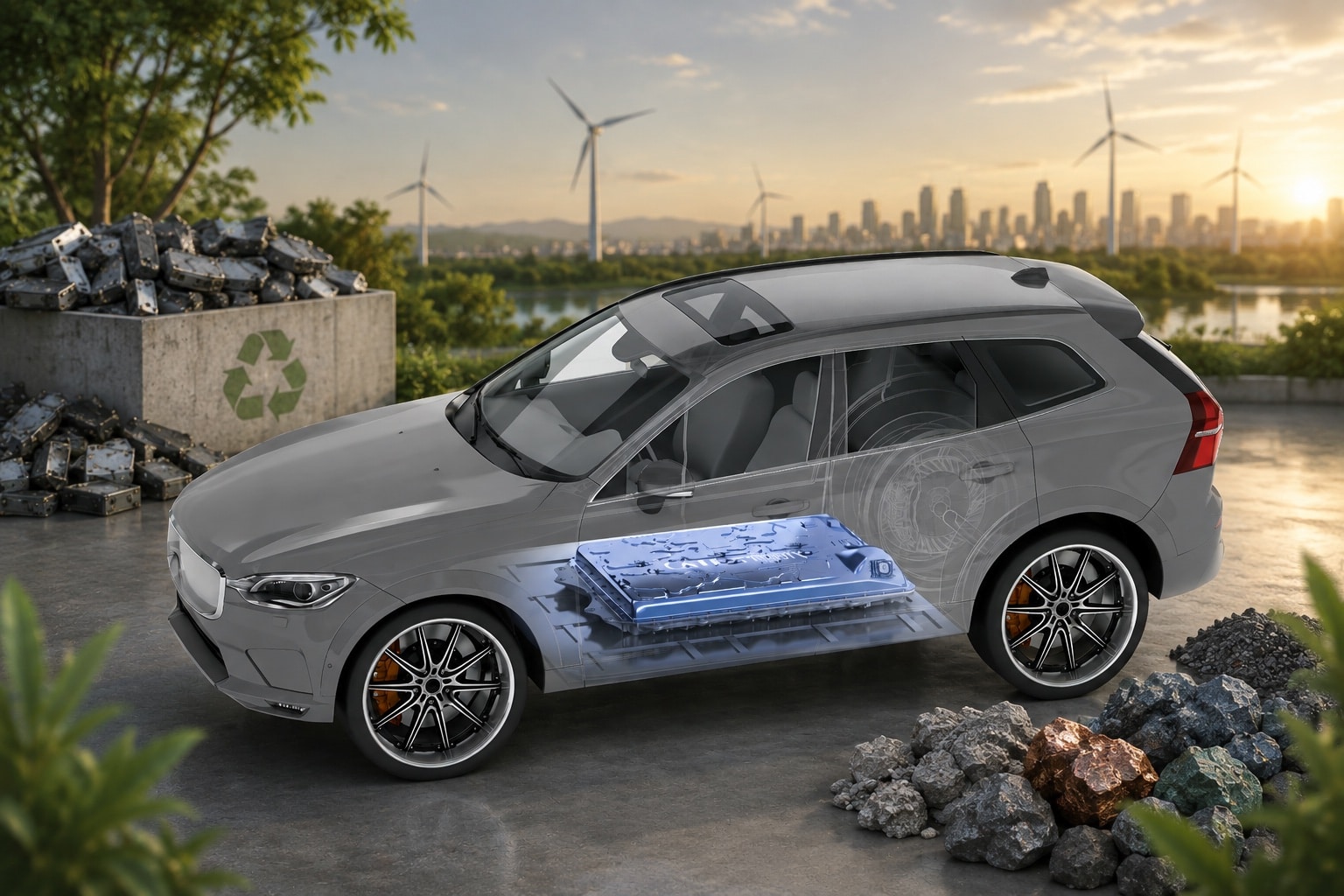
Millions of electric cars are now on the roads around the world. But a question is beginning to arise: what will we do with all their batteries when they reach the end of their life?
The electric car runs without burning a drop of gasoline, but it carries several hundred kilos of battery. And while it generally lasts a long time, it is obviously not eternal. The real challenge could therefore emerge in about ten years.
According to the International Energy Agency (IEA), around 1.2 million electric vehicle batteries could reach their end of life by 2030. By 2040, this number could rise to… 14 million per year. A mountain of batteries that will need to be collected, transported, dismantled, and recycled.
Does this forecast doom us to an ecological disaster? Not necessarily.
Firstly, because a car battery retains significant value for a long time. After its first life in a car, some can still be used for stationary electricity storage. Secondly, because their raw materials are precious: lithium, nickel, cobalt, or copper are all worth recovering rather than being discarded.
Europe is already paving the way. Its regulations impose increasing targets for material recovery. For lithium, the minimum recovery rate must reach 50% by the end of 2027 and then 80% by the end of 2031. New batteries will also gradually need to incorporate recycled materials.
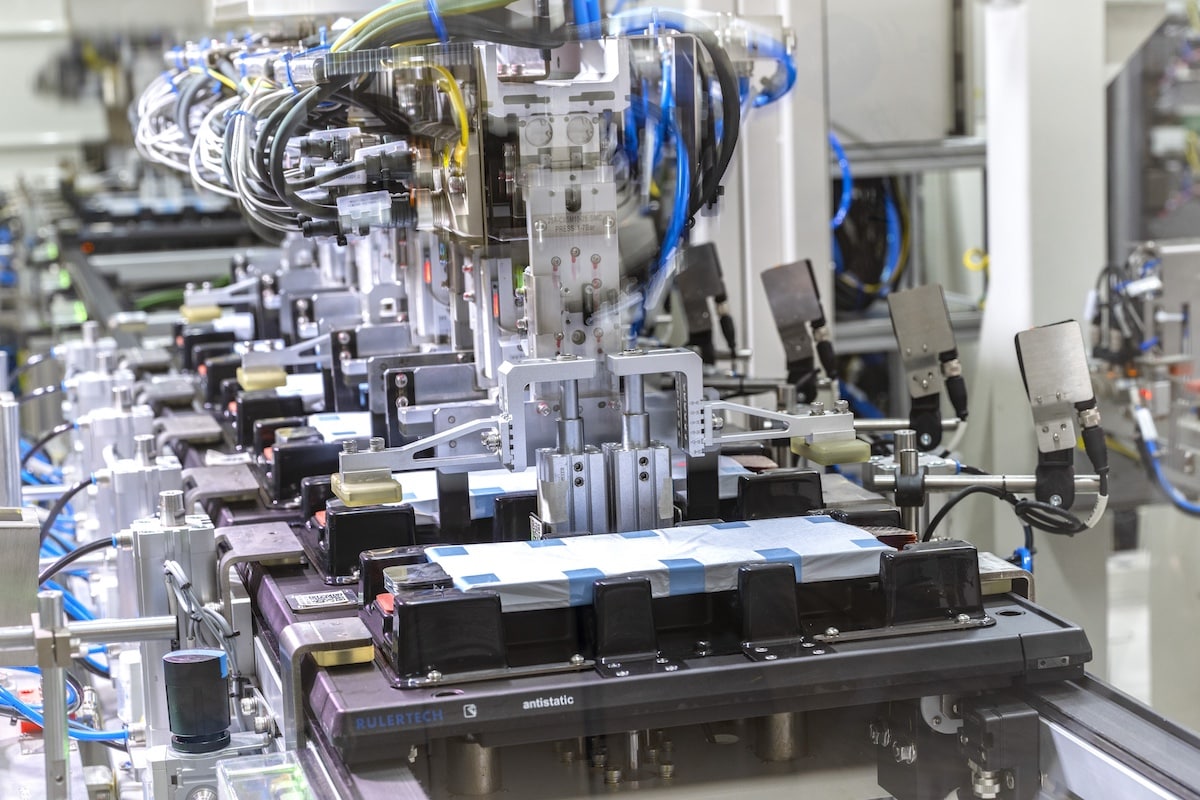
However, a colossal industrial challenge remains. Recycling lithium-ion batteries requires specialized facilities, energy, and sometimes significant amounts of chemicals and water. Most importantly, the capacities must keep pace with the massive influx of used batteries. The IEA estimates that in Europe and the United States, the announced capacities could cover only about 30% of the needs by 2040 if new factories are not built.
Paradoxically, tomorrow’s waste could become a resource. The IEA estimates that recycling could supply 20 to 30% of global needs for lithium, nickel, and cobalt by 2050.
The electric battery will therefore not necessarily be the next great ecological disaster. On one condition: that we have built the industry capable of recycling it before the wave arrives.
You might be interestedin this article:
This page is translated from the original post "Les batteries de voitures électriques sont-elles le prochain grand désastre écologique ?" in French.
We also suggestthese articles:
Also read
Recent articles