Pollution in Car Interiors: ESTACA Takes Action!

- Published on 24/04/2026 7:23
The French engineering school develops unique protocols to measure and improve air quality in the cabin
Beyond its recognized role as an engineering school focused on training, ESTACA now establishes itself as a genuine center of expertise and research for the mobility industry. Among its cutting-edge areas: air quality in automobile cabins, a public health issue that remains largely underestimated and poorly regulated by current standards.
In contrast to external emissions – exhausts, particles from brakes or tire wear – indoor pollution in vehicles is still poorly regulated. A gap that the school intends to fill, as emphasized by Nadir Hafs, a researcher and teacher at ESTACA, who is at the forefront of this work.
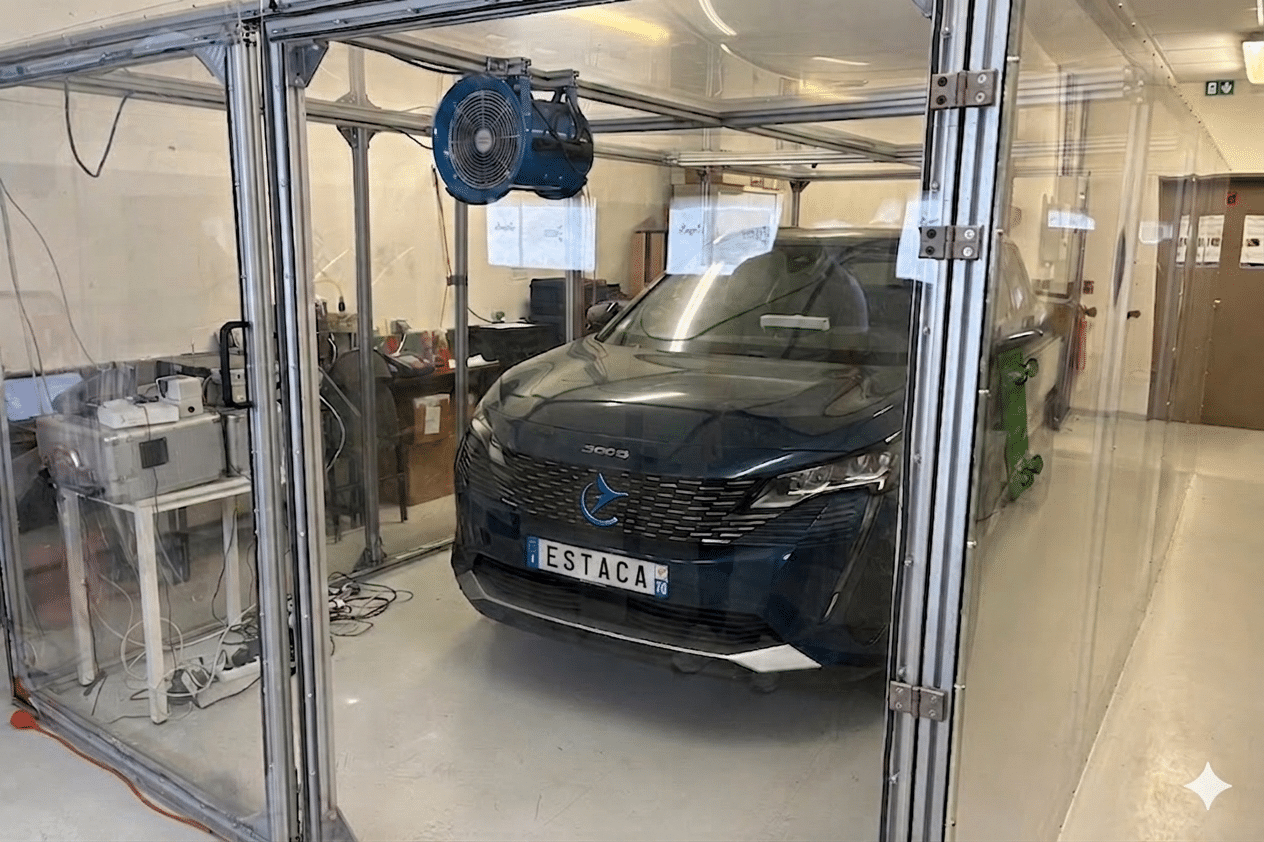
A bubble at ESTACA to simulate extreme pollution
To objectify this issue, ESTACA has developed an unprecedented experimental protocol called the “air quality bubble.” This device allows for the reproduction of extreme pollution conditions around a vehicle, by injecting fine and ultrafine particles ranging from 15 micrometers to 5 nanometers.
The goal is simple yet crucial: to measure the actual filtration capacity of the cabin under different ventilation modes, airflow speeds, and usage scenarios. A scientific approach that quantifies the protection offered to passengers against ambient pollution.
The school is notably integrated into the international group VIAQ (Vehicle Interior Air Quality), placed under the auspices of the United Nations, which aims to define a future global standard on air pollution in vehicles.
An expertise that goes beyond the automobile
ESTACA’s influence is not limited to the automotive sector. The school also works in the rail industry, notably in partnership with Alstom, to test sensors intended for future trains. It also focuses on reducing the resuspension of particles during railway construction sites, particularly in the context of ballast replacement, a major issue for the protection of workers and local residents.
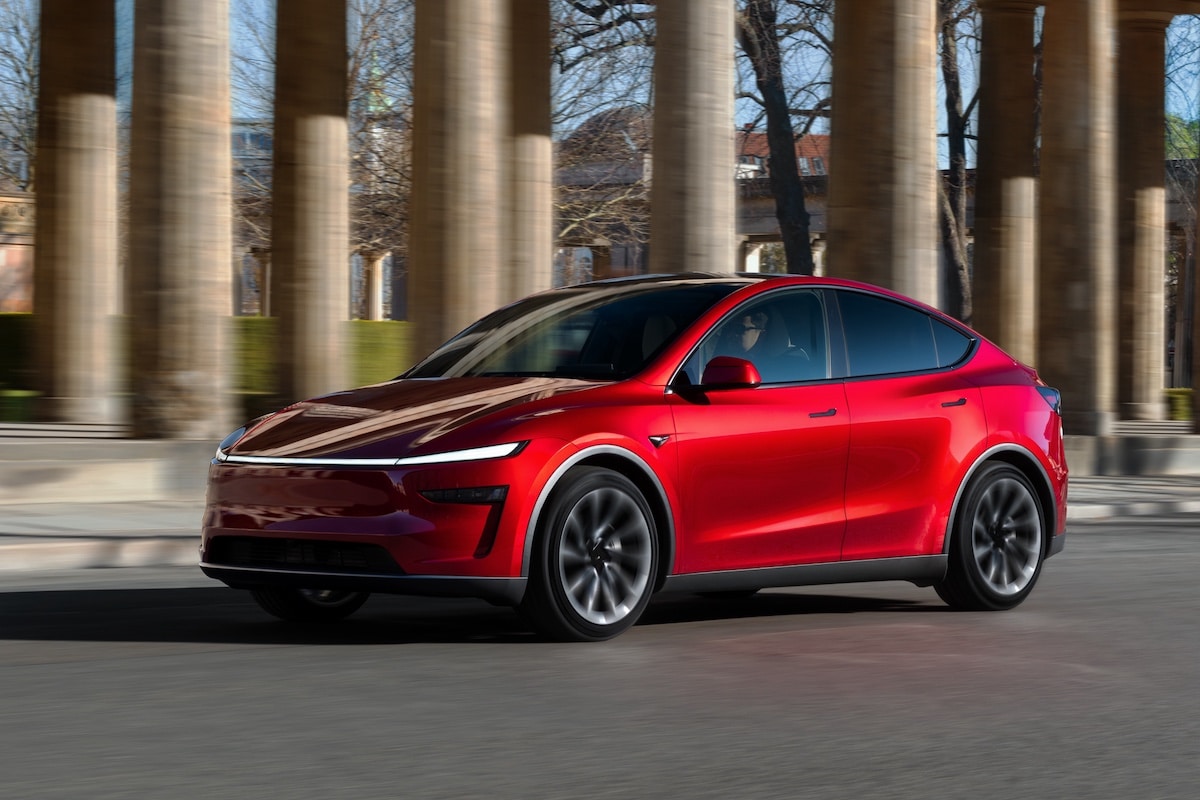
The rise of electric vehicles introduces new challenges. The silence of operation intensifies the perception of ventilation noises, prompting equipment manufacturers to rethink their filtration systems. A German manufacturer is thus collaborating with ESTACA to develop filters that combine the efficiency of EPA standards – similar to those used in some Teslas – with reduced noise levels and dimensions compatible with traditional systems.
Manufacturers like Mercedes have already paved the way with models such as the EQS, incorporating particularly advanced filtration and ventilation systems.
A public health and training issue
Beyond technological innovation, this research addresses a major public health issue. Exposure to fine particles inside vehicles is increasingly monitored, especially in urban environments.
You might be interestedin this article:
ESTACA thus trains a new generation of specialized engineers, capable of assisting manufacturers in designing healthier, safer, and more environmentally friendly vehicles.
READ ALSO: ESTACA launches a Sustainable and Responsible sector
This page is translated from the original post "Pollution des habitacles automobiles : l’ESTACA veille !" in French.
We also suggestthese articles:
Also read

Recent articles