
After carbon and linen, car bodies made from pineapple!

- Published on 23/11/2026 6:28
- Modified on 23/11/2026 6:36
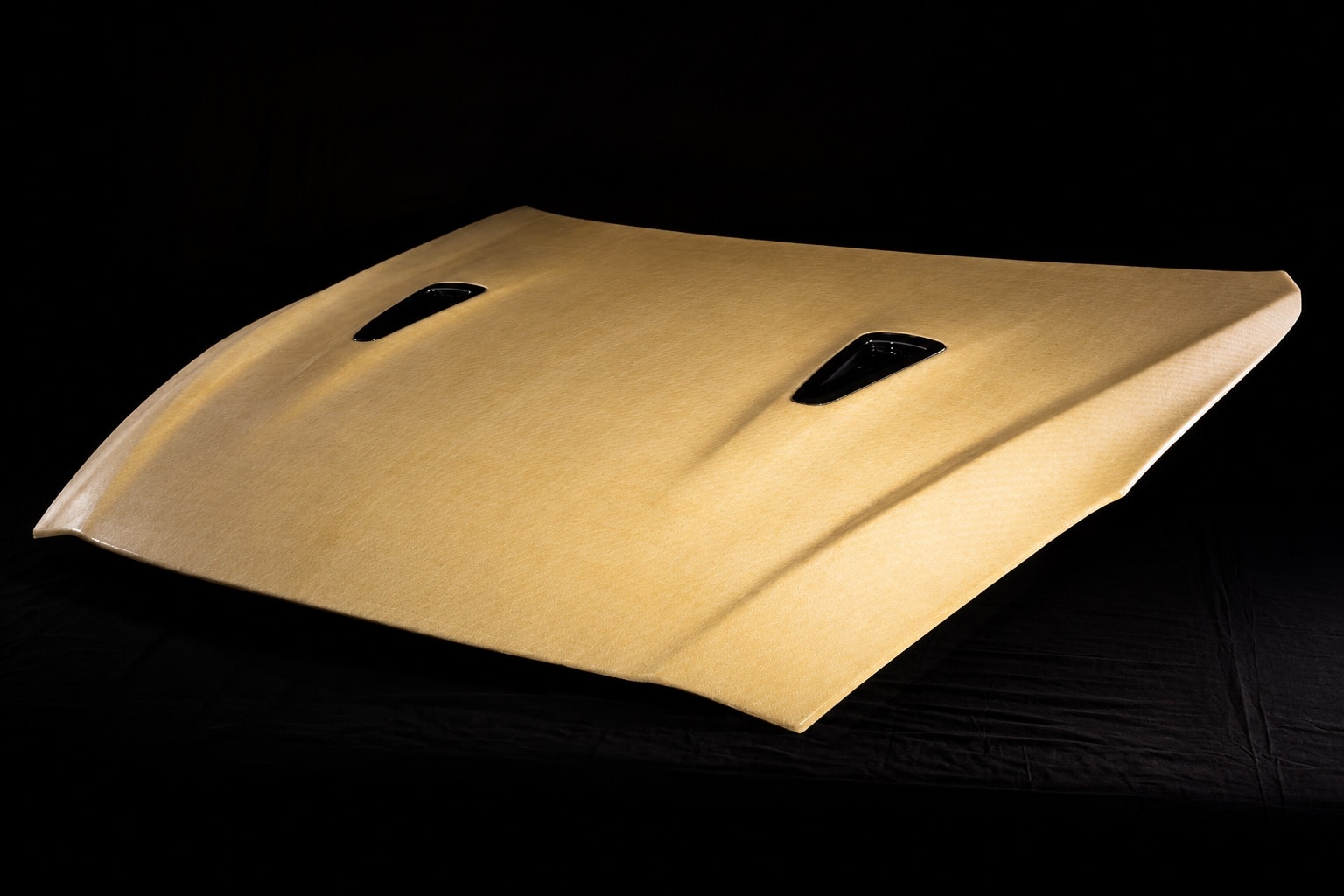
What if pineapple waste became the automotive materials of tomorrow? Nissan has just unveiled an innovation that is as surprising as it is promising.
After carbon fiber, the queen of competition cars, and flax, which is starting to make its way into the paddocks, it’s time… for pineapple! No, Nissan does not intend to turn its cars into fruit salads. The Japanese manufacturer has just presented, in collaboration with the company FOOD REBORN, body panels made from fibers extracted from pineapple leaves.
And behind this rather exotic idea lies a true technological innovation.
More resistant than flax!
Every year, more than 50 million tons of pineapple leaves are discarded worldwide. Nissan has imagined giving them a second life, far from tropical plantations.
The process involves extracting the fibers from the leaves, transforming them into flat yarns, and then weaving them to obtain a technical fabric. This is then impregnated with resin to produce a lightweight and resistant composite material. According to Nissan, its tensile strength is even superior to that of flax-based composites, which are already used in motorsport.
It is precisely motorsport that has accelerated this research. In certain categories using cars derived from the series, modified body panels must now integrate natural fibers. A regulatory constraint that stimulates innovation.
Soon on our cars?
Presented at the SAMPE Japan 2026 trade fair, this technology could also interest the traditional automotive industry, as well as manufacturers of sports equipment. Nissan intends to promote its diffusion by granting FOOD REBORN a license to exploit its process.
The next step is to verify its performance in real-life conditions, its durability, and its economic competitiveness. One thing is certain: after harnessing the properties of carbon and flax, the automobile could soon take on a serious taste of pineapple!
ALSO READ: From Flax to Replace Carbon on Alpine Cars?
You might be interestedin this article:
This page is translated from the original post "Après le carbone et le lin, des carrosseries en ananas !" in French.
We also suggestthese articles:
Also read


Recent articles