
Electric LLD: Are We Close to a Serious Crisis?

- Published on 18/01/2026 15:18
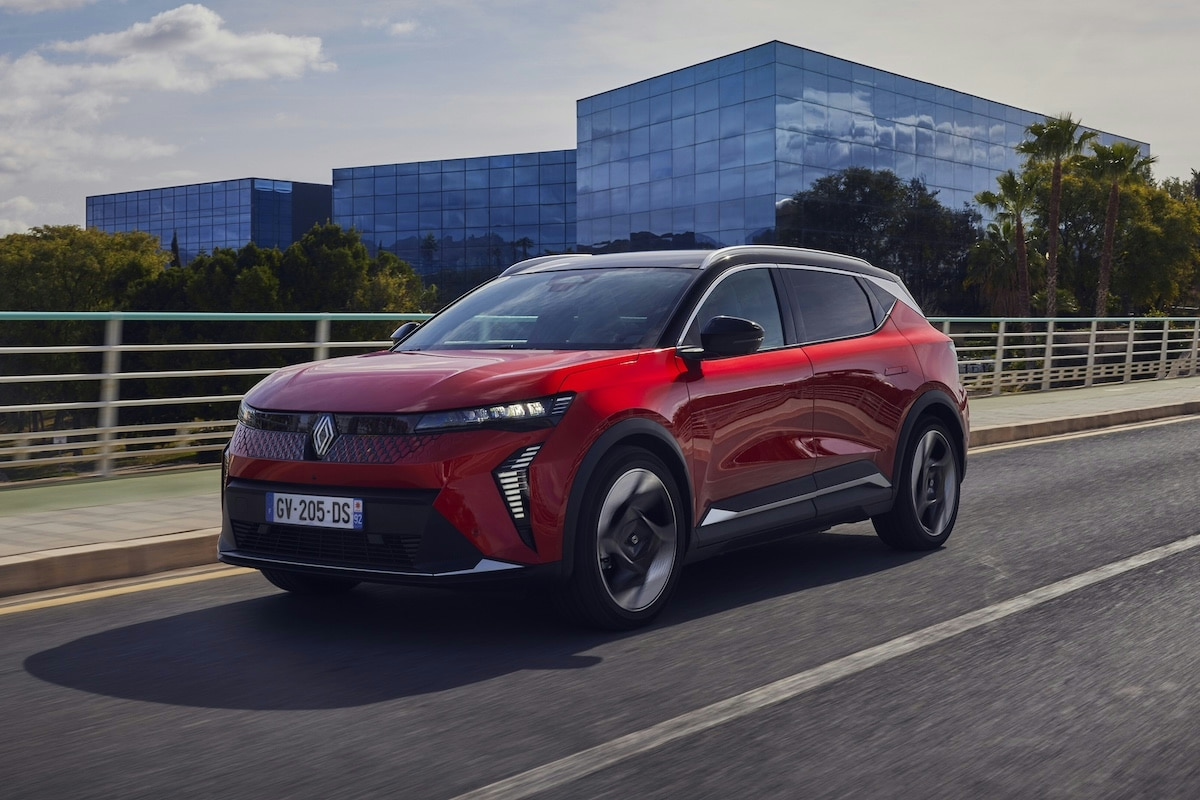
The decline in residual values of electric vehicles puts pressure on the end of long-term lease contracts, jeopardizing manufacturers and lessors.
In an automotive market increasingly focused on electric vehicles, a paradox emerges: while registrations are on the rise, the buy-back of electric cars at the end of lease/financing contracts is becoming an economic puzzle. At the heart of the issue is the rapid depreciation of electric vehicles and an immature second-hand market that compromise the viability of leasing models, which constitute a significant portion of EV sales.
The residual value – the cornerstone of the leasing business – represents the estimated resale price of a vehicle at the end of the rental period and largely determines monthly payments. However, recent data shows that electric cars lose a substantial part of their value in just a few years, much more than traditional internal combustion engines. According to resale analyses, an electric vehicle can lose over 50% of its value in only three years, the typical duration of a lease, whereas diesels of the same age retain nearly 70% of their original price.
A Holed Basket
This declining trend presents a dual challenge: lessors who based their contracts on optimistic residual estimates find themselves with vehicles to resell far below the anticipated values, leading to significant losses. In the UK, the BVRLA professional federation has warned of a decline in residual values of over 50% by 2025.
In France, the phenomenon is also observed: the second-hand market for electric vehicles is growing, with nearly 80,000 units sold in the last half of 2025, but it remains fragile and the volumes introduced lead to pressure on prices and a slower turnover of stocks. Furthermore, the health of the batteries – a central criterion for estimating residual value – remains an opaque area for a large portion of buyers, dampening demand compared to internal combustion vehicles.
This situation leads to a structural imbalance: an increasingly abundant supply of electric vehicles at the end of leasing, against a demand that does not keep pace. Several industry players are concerned that this imbalance could undermine the automotive financing chain, as when vehicles return too depreciated, it impacts pricing, guarantees, and the profitability of lessors.
You might be interestedin this article:
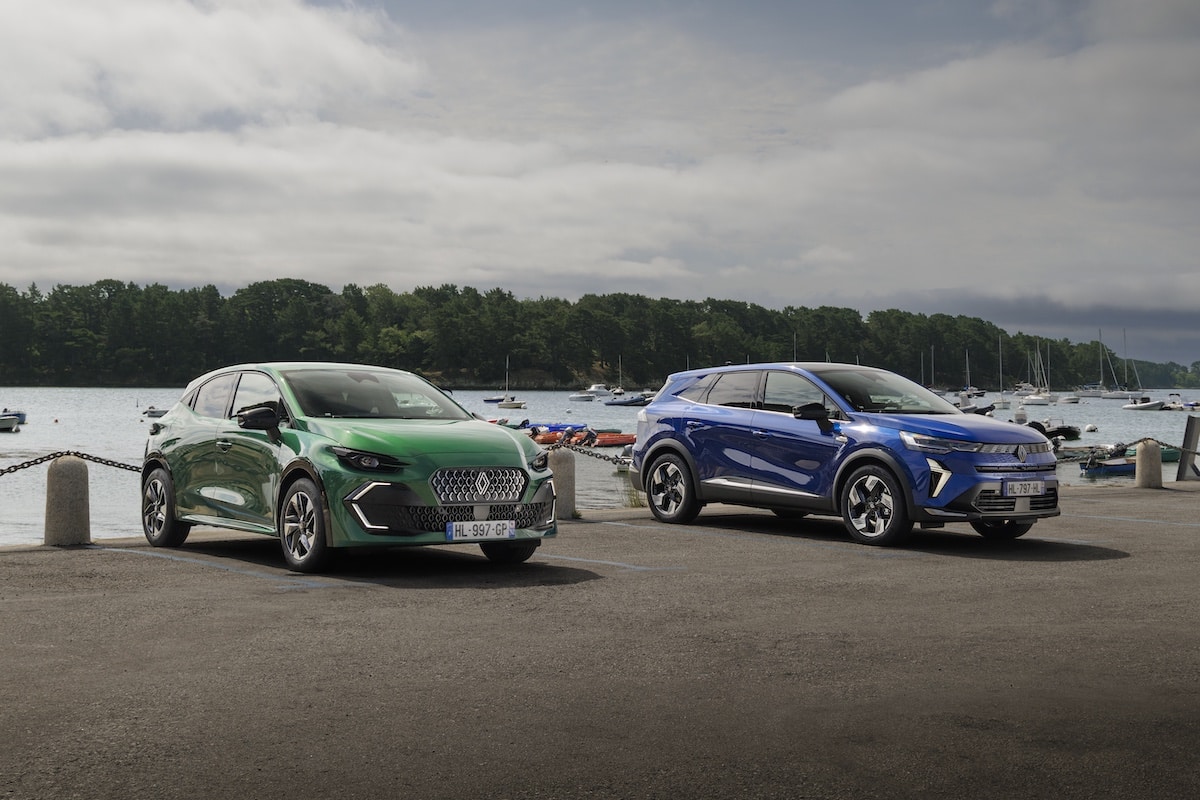
To solve this problem, several avenues are emerging: refining residual value forecasting models, better informing buyers about battery health, or stimulating demand in the second-hand EV market through targeted incentives. Without these adjustments, the buy-back of electric vehicles at the end of rental contracts will remain a thorny issue, likely slowing the transition to cleaner mobility.
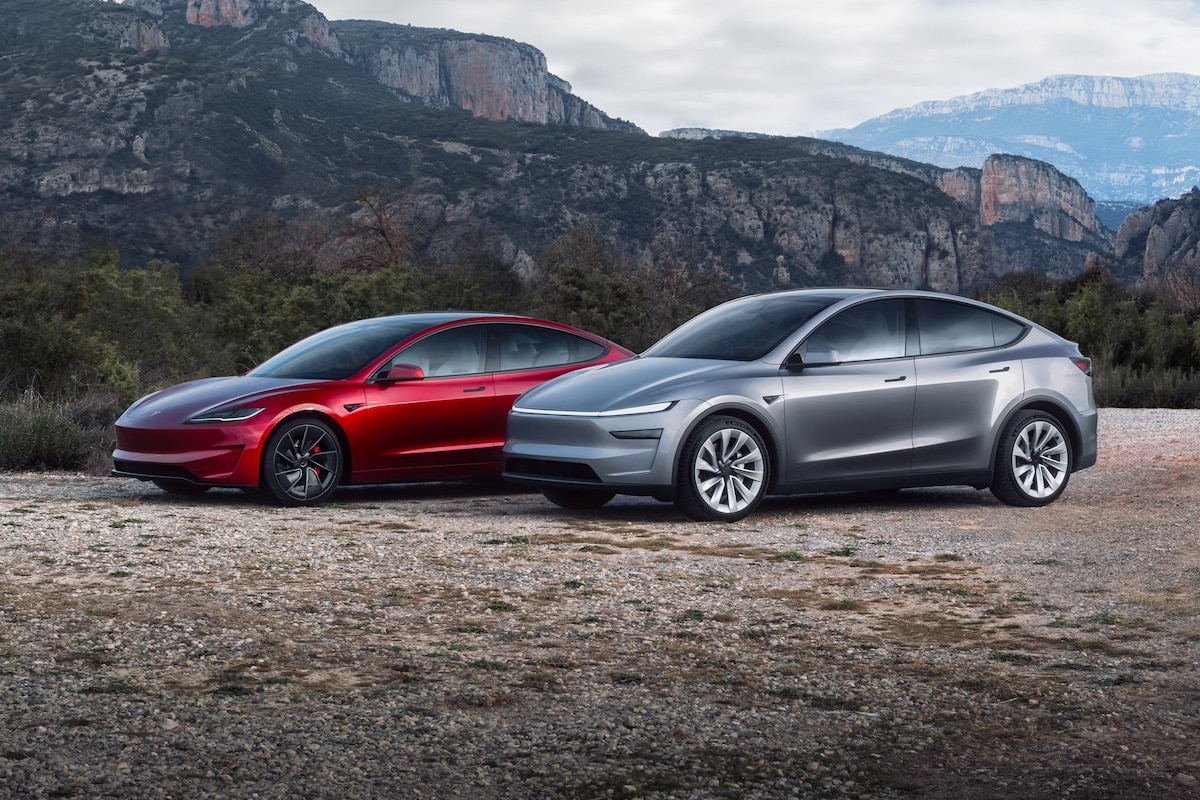
READ ALSO: Used Tesla: prices are collapsing
This page is translated from the original post "LLD électrique : bientôt une grave crise ?" in French.
We also suggestthese articles:
Also read


Recent articles