Formula E Gen4: 815 horsepower and F1 in its sights?

- Published on 06/11/2025 17:15
- Modified on 14/11/2025 10:22
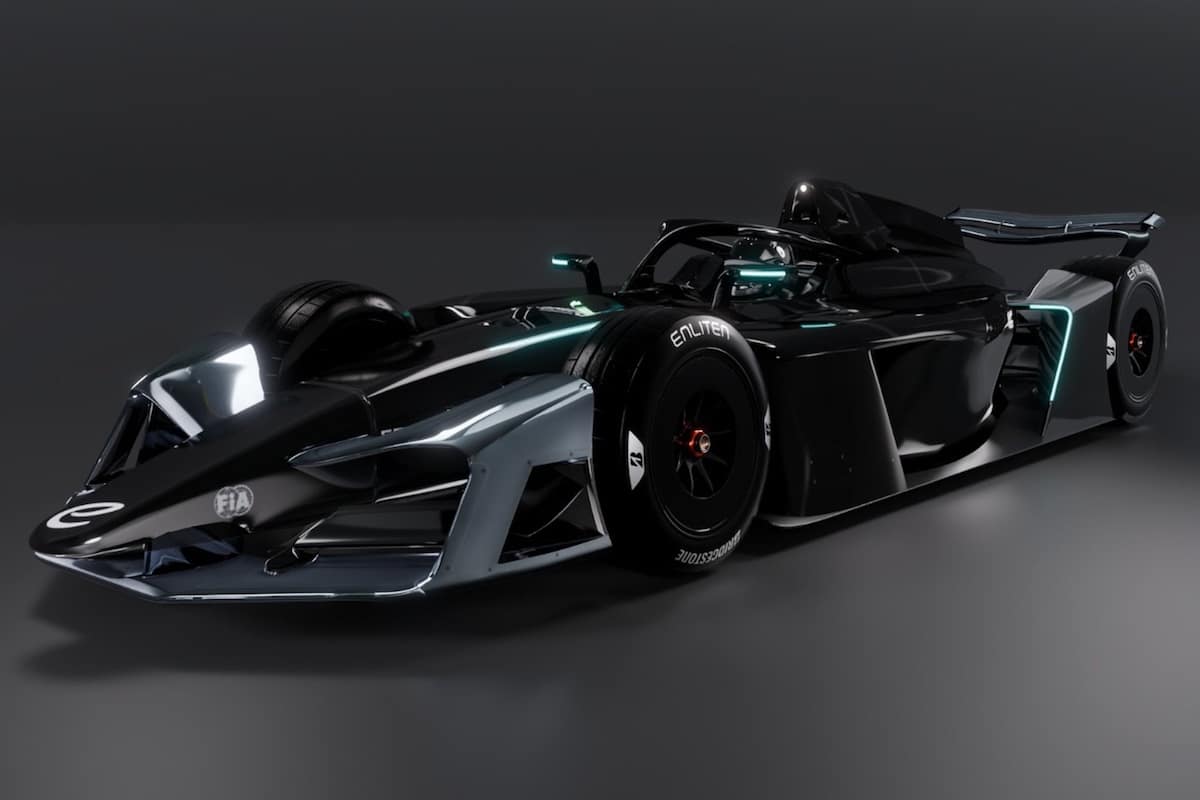
Unveiled this week, the new Gen4 Formula E single-seater represents a true technological revolution.
The Formula E Gen 4 will debut in the 2026–2027 season, with impressive figures: 600 kW of power in attack mode, the equivalent of 815 horsepower, an active all-wheel drive and ultra-fast charging. Never before has an electric single-seater reached such a level of performance. For comparison, the Gen3 Evo was limited to 400 kW (536 hp).
Its aerodynamics have also been redesigned, with two configurations for low and high downforce. Drivers will have 450 kW available at all times in practice and in races, but can unleash the full potential in attack mode. The Gen4 therefore promises to be faster, more demanding and more durable. The series is indeed taking its environmental commitment further with 100% of components recyclable, 20% of which come from already recycled materials.
But beyond the spectacle and environmental goodwill, this new generation raises a strategic question. What if Formula E became a true laboratory for Formula 1?
A way to circumvent the Cost Cap?
In a context of capped budgets in F1 — the well-known Cost Cap — manufacturers are forced to innovate without blowing out their spending. Having a team involved in Formula E could become a way to spend on R&D without exceeding the set limits. Research programs around hybrid powertrains, energy management or next-generation batteries could be developed there more freely because the Formula E regulations allow a great deal of freedom. Don’t think this is fantasy: such a transfer between disciplines would not be a first. It’s no secret that links already exist between the F1 and Hypercar programs of Ferrari and Alpine, and to a lesser extent Aston Martin or Toyota, Haas F1’s partner. Cadillac has also trained part of its F1 race team in Endurance to prepare its arrival in 2026.
Manufacturers competing in Formula E such as Porsche, Nissan, Jaguar or Citroën see the series as a full-scale testing ground, where the boundary between track and road fades. Engineers test software, electronic components and energy recovery systems there… technologies that modern Formula 1 cannot do without!
You might be interestedin this article:
In terms of spectacle and prestige, F1 has nothing to fear from Formula E, at least for now. On the other hand, links between the two series could only be beneficial and offer sustainable coexistence. That is, as long as spending does not explode on one side or the other, endangering the whole structure.
This page is translated from the original post "Formule E Gen4 : 815 chevaux et la F1 dans le viseur ?" in French.
We also suggestthese articles:
Also read

Recent articles