Why Car Sharing Doesn’t Work in France: The Real Reasons

- Published on 28/07/2026 11:18
- Modified on 28/07/2026 11:23
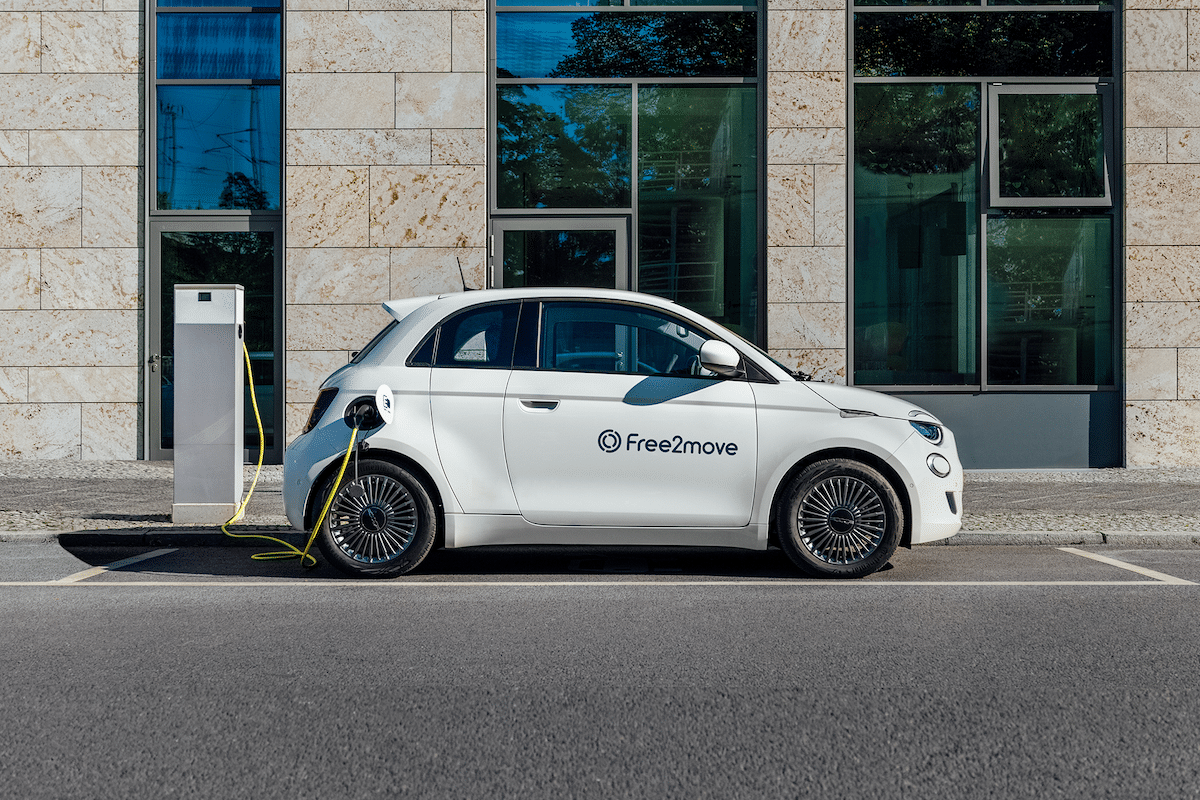
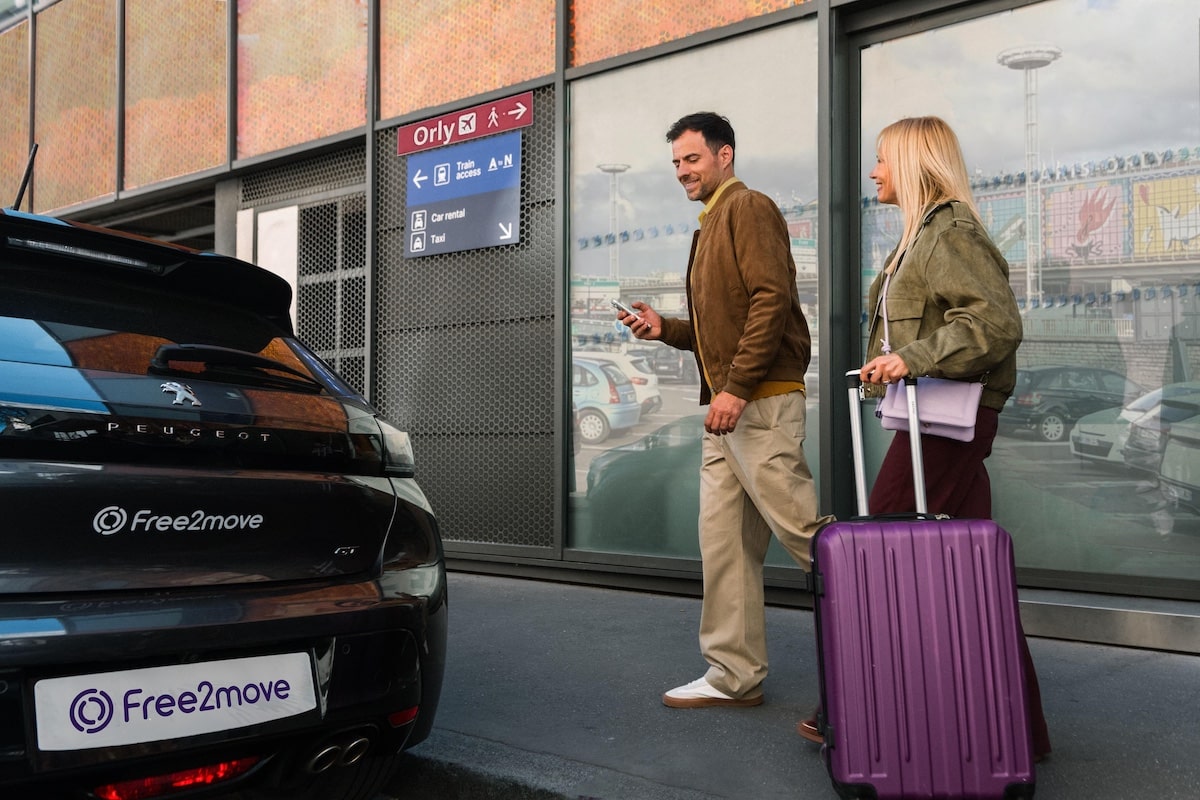
Ecological, economical, and praised on paper, car sharing is struggling to take root in the daily lives of the French. Why?
On paper, car sharing seems to have everything it needs to succeed. A car costs an average of several thousand euros per year for its owner, remains stationary over 90% of the time, and occupies valuable space in the city. However, despite this evidence, France has only about one million users, far from the tens of millions of motorists.
The paradox is all the more striking given that the benefits are real. According to ADEME, a shared car replaces five to seven personal vehicles, allows its users to save up to €1,000 per year, and helps free up parking spaces. The government now aims for 70,000 shared vehicles by 2031, compared to about 14,000 today.
The problem is not the concept, but its execution.
Outside of major metropolitan areas, the offering is often nonexistent. Even in cities where it is available, there are many constraints: advance booking, vehicles sometimes far away, mandatory return to the starting station, not to mention the registration formalities. These are all obstacles compared to having a personal car available in front of one’s home 24 hours a day.
Another difficulty: profitability. The experiences of Autolib’, Zity, or more recently Europcar’s withdrawal from Paris have shown how fragile the economic model remains. Costs related to parking, vandalism, damage, and fleet management weigh heavily on operators. In Paris, several players acknowledge that margins remain very low.
A cultural barrier
There is also a cultural barrier. In France, the car remains synonymous with freedom and ownership. Many prefer to bear a high cost rather than depend on the availability of a shared vehicle. This mindset is particularly pronounced in suburban and rural areas, where cars are still essential.
Car sharing is therefore likely not a universal replacement for personal vehicles. Its true future probably lies in a complementary role, associated with public transport, cycling, or trains. ADEME estimates that there is potential for 3.5 to 4 million new users if the offering becomes denser, simpler, and better distributed across the territory.
You might be interestedin this article:
In short, car sharing has many compelling arguments. It still lacks what often makes a difference in mobility: immediate availability, absolute simplicity… and the ability to forget that one no longer owns their car.
This page is translated from the original post "Pourquoi l’autopartage ne marche pas en France : les vraies raisons" in French.
We also suggestthese articles:
Also read