



European Automobile: OECD Warns of the Human Cost of Transition

- Published on 06/10/2026 18:18
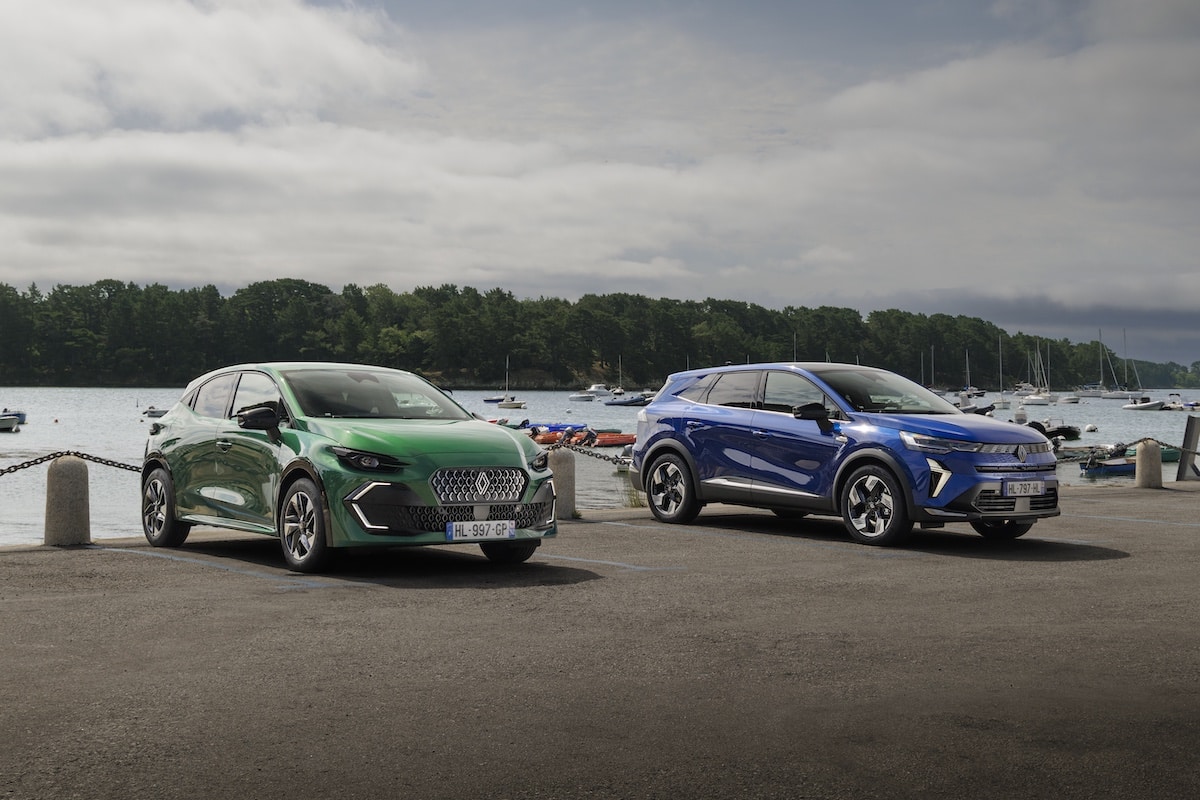
Electrification, Chinese competition, software: the European automotive industry is changing its model. According to the OECD, its competitiveness will also depend on its ability to support workers, particularly at suppliers.
Saving the European automotive industry is not just about building batteries and selling more electric cars. In its latest report published with the European Commission, the OECD (Organisation for Economic Co-operation and Development) puts workers at the center of the industrial debate. Its message: preparing the skills of tomorrow is as strategic as developing new technologies.
The sector directly employs over six million people in the European Union. However, this strength hides vulnerabilities. Between 2019 and 2023, employment in vehicle manufacturing fell by nearly 9%, while suppliers lost about 110,000 jobs. France has experienced a long-standing decline, while Central and Eastern Europe has long benefited from the relocation of activities.
From layoffs to lasting consequences
The OECD particularly highlights the cost of professional disruptions. In the eleven European countries studied, automobile workers affected by collective layoffs face, in the first year, an estimated 57% loss of work income compared to comparable workers who retained their jobs. This calculation includes periods of inactivity, but excludes social benefits. Six years later, the damage remains considerable.
Thus, a priority emerges: train before job cuts occur. At suppliers, about 40% of employees facing significant changes in their work do not receive any formal training to assist them. Small businesses have far fewer resources than large manufacturers.
Thinking beyond the new car
The report recommends tailored training for jobs, transferable qualifications, and enhanced social dialogue. It also envisions industrial reconversions, notably towards defense, while highlighting their practical difficulties.
Another perspective: electric vehicles will not necessarily replace every thermal vehicle in the same way. Smaller vehicles, shared mobility, repair, and refurbishment could alter needs and support other jobs.
For the OECD, attracting investments therefore requires preserving and renewing skills. The European industrial future will also be decided in workshops and training rooms.
ALSO READ: Chinese cars represent 10% of European sales
You might be interestedin this article:
This page is translated from the original post "Automobile européenne : l’OCDE alerte sur le prix humain de la mutation" in French.
We also suggestthese articles:
Also read

Recent articles